Christmas Gifts Young Kids Will Actually Keep: A Less-Is-More Guide
Published September 17, 2026 · Updated September 17, 2026
Somewhere around mid-January, every parent conducts the same quiet audit: which of the Christmas presents are still being played with? The answer is usually humbling. This guide is about stacking the odds, using what child-development research actually says, so that more of what goes under the tree this year is still loved in spring.
What makes a Christmas gift worth keeping?
A gift worth keeping does one of three things: it grows with your child, it invites open-ended play, or it creates time together. Pediatricians consistently find that simple gifts serving play and connection beat flashy ones, and the presents still in use by February are almost never the loudest ones under the tree.
The American Academy of Pediatrics put it plainly in its clinical report on choosing toys: the best toys "support parents and children playing, pretending and interacting together," and they do not need to be flashy or expensive, because "simple, in this case, really is better". Blocks, pretend-play props, art supplies and books all pass that test. A toy that performs by itself while a child watches usually does not.
Why do kids play more with fewer toys?
Because abundance splits attention. In a University of Toledo study, toddlers who had four toys available played with each toy about twice as long, and in more varied and sophisticated ways, than toddlers surrounded by sixteen toys. Giving fewer presents is not a sacrifice; it is an upgrade to the play itself.
The researchers, publishing in Infant Behavior and Development, observed 36 toddlers in free play and found that when there were fewer toys, children played with them in more ways and for longer stretches. Sustained, explorative play like that is exactly where motor and cognitive skills grow. Three practical moves follow from this. Agree on a small number of gifts with relatives before December. Prefer one well-chosen gift over a stack of impulse buys. And after the holiday, rotate toys in and out of a closet, so the shelf always feels curated rather than crowded.
Are expensive electronic toys better for development?
No. Price and processing power do not predict developmental value. The American Academy of Pediatrics is blunt about this: high quality does not mean expensive, and digital toys should never take the place of real, face-to-face play. Puzzles, crayons, dress-up clothes and cardboard boxes routinely do more for a young brain than electronics.
The AAP's toy buying guidance for parents notes that "things as simple as cardboard boxes or pads of paper still make little ones happy," and warns that no app replaces what a caregiver teaches. A useful rule while shopping: if the toy does the playing (lights, songs, scripted responses), the child mostly spectates. If the child does the playing, the toy earns its shelf space.
Is a book a good Christmas gift for a young child?
Yes, and it may be the highest-leverage gift under the tree. The American Academy of Pediatrics recommends shared reading beginning at birth, because reading together builds language, early literacy and social-emotional skills while strengthening the bond between you and your child. A book is not just an object; it is a nightly ritual.
The AAP describes how children who meet books in a parent's arms arrive at school associating reading with security, stories and the voice of someone they love, and it favors print books over screens for exactly that interactive, relationship-building reason. A lovely Christmas tradition that costs little: one beautiful book every year, inscribed with the date. By the time your child is ten, that shelf tells the story of their whole childhood.
How do you make a gift feel personal without buying more stuff?
Make the gift about the child, not about the category. A story where they are the hero, a photo album of their year, a letter to be opened at eighteen, or a coupon book of one-on-one adventures all say "I see you" in a way a tenth plastic toy cannot. Personal gifts are the ones families keep for decades.
Personal does not have to mean handmade, and it does not have to be expensive. It means specific: their name, their face, their year, their current obsession with dinosaurs or space. Those are the gifts that survive every toy purge, because throwing them away would feel like throwing away a piece of the child.
What will they actually remember from this Christmas?
Mostly you. The morning ritual, the person on the floor building the tower with them, the story read aloud while the new pajamas are still crisp. The research above keeps pointing at one conclusion: connection outperforms quantity. Choosing fewer, better gifts makes December calmer for you and richer for them.
If a personalized book belongs under your tree this year, that is what we make at LittleReaders: a printed storybook starring your child, created from a single photo, written to be read together. But whichever gifts you choose, the principle holds all the same. One meaningful present beats five forgettable ones, and the best part of Christmas morning is sitting on the floor inside it.
Maya Wishes for a Mountain of Presents
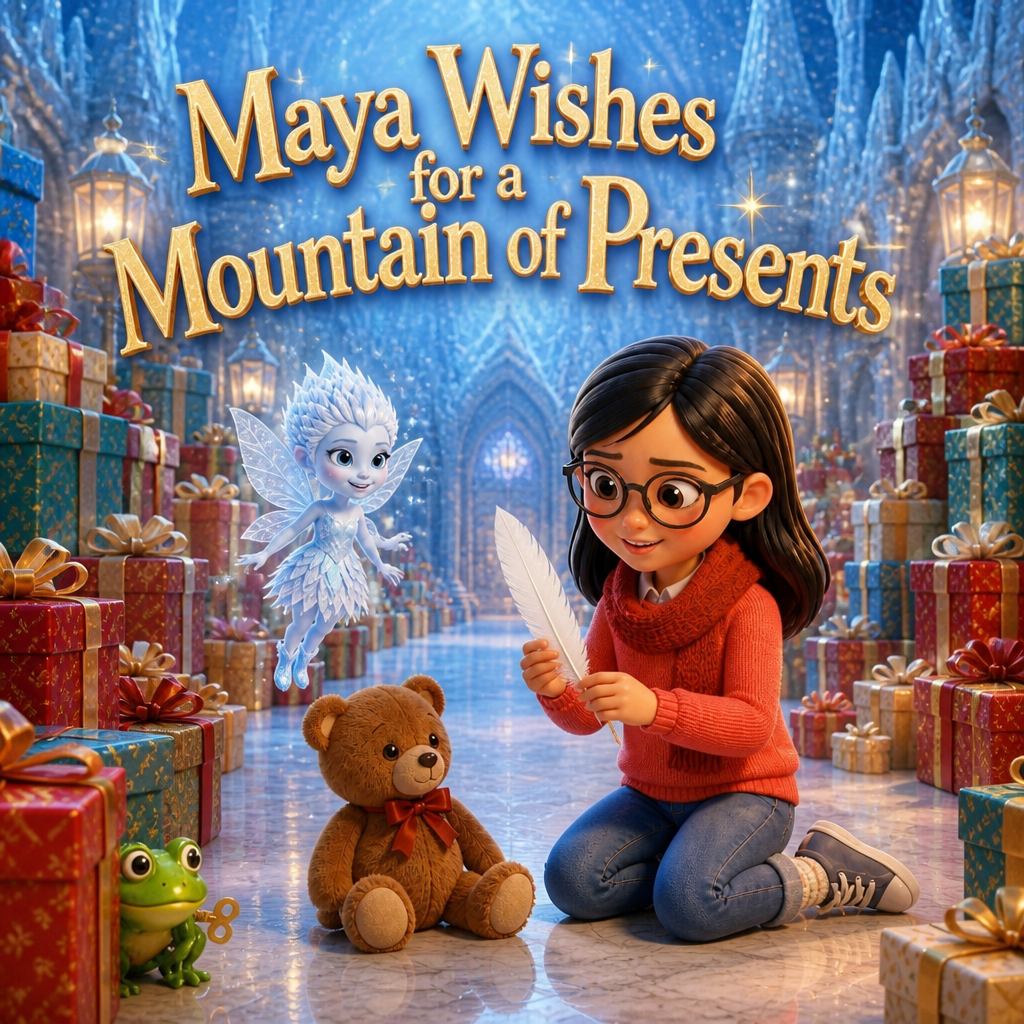
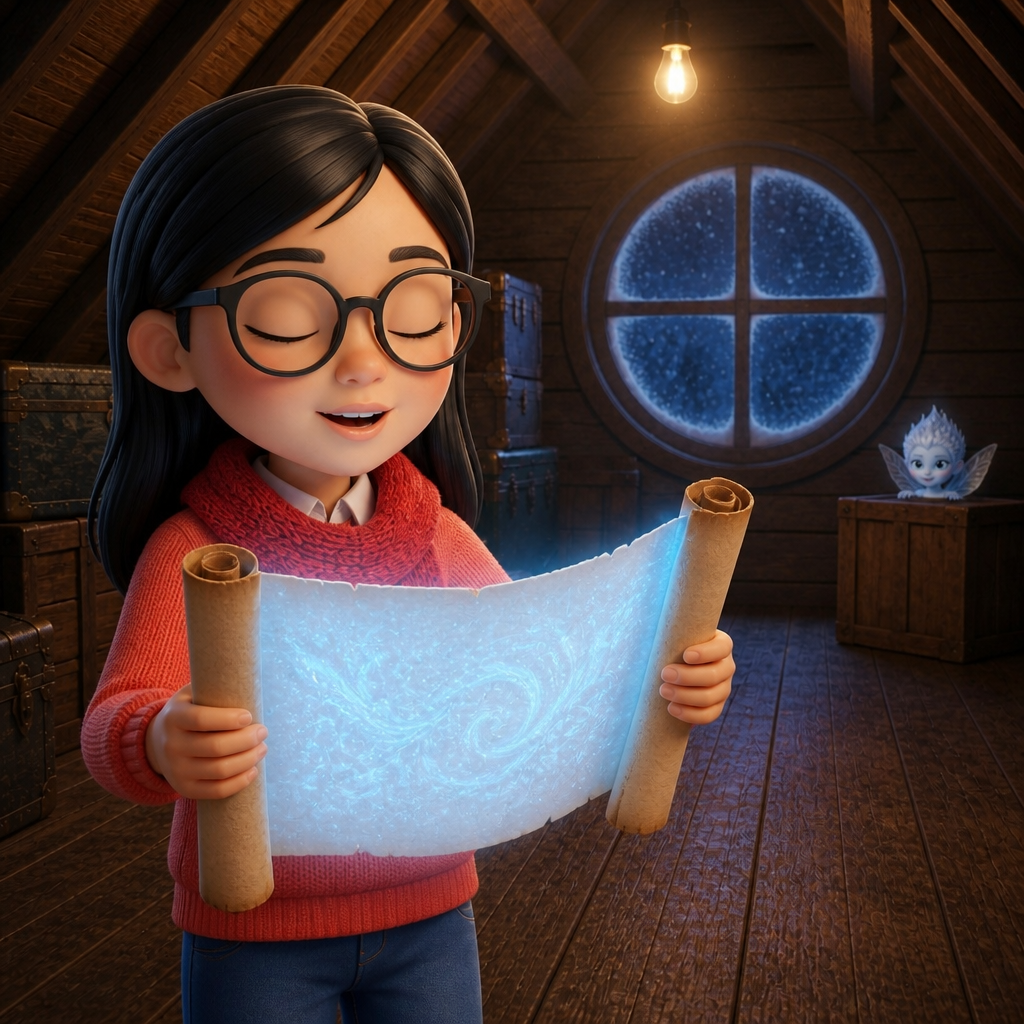
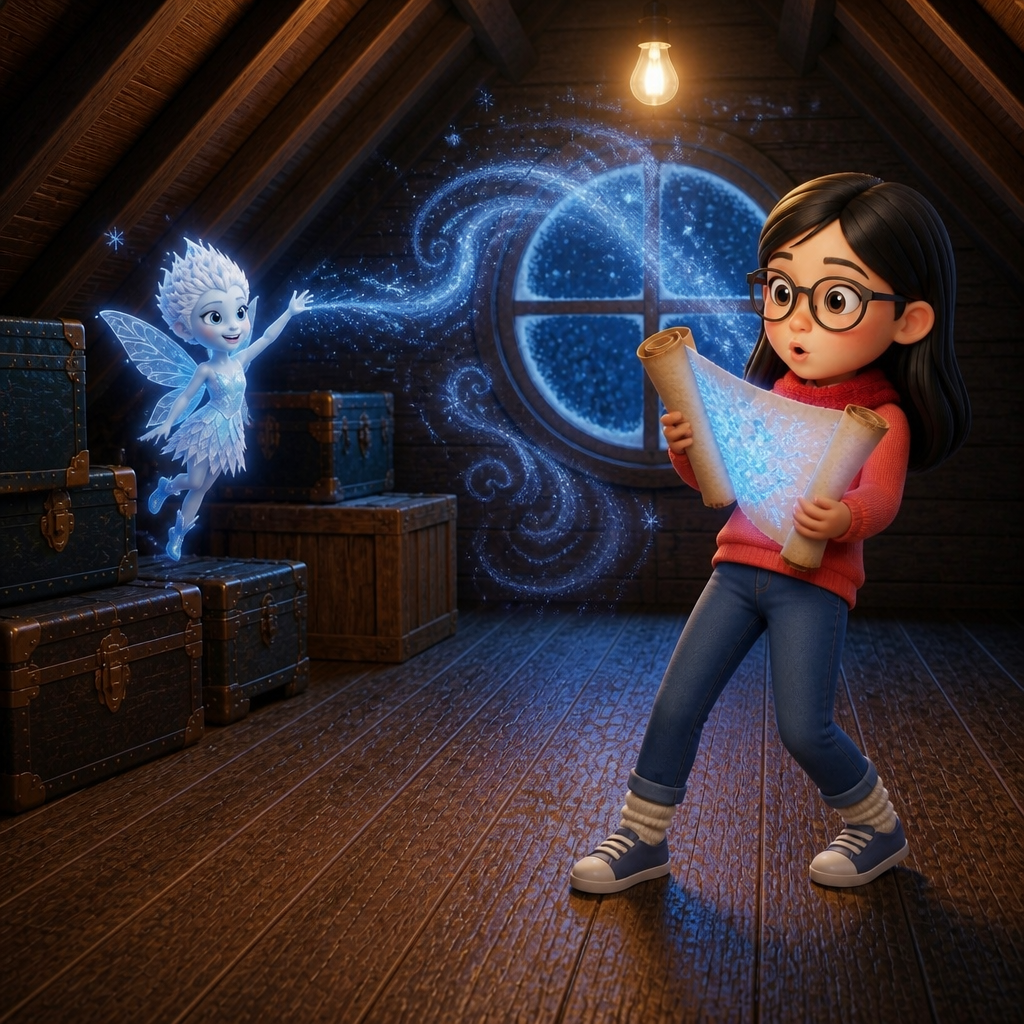
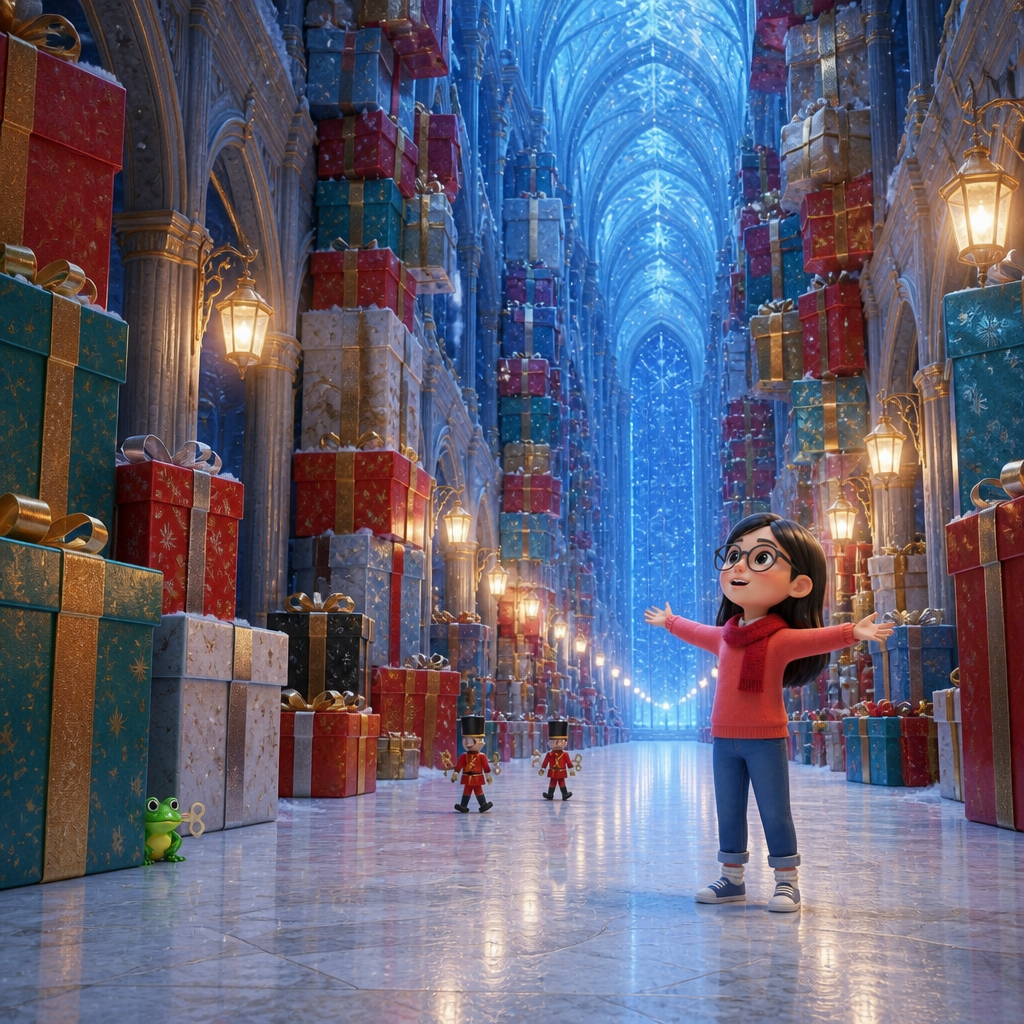
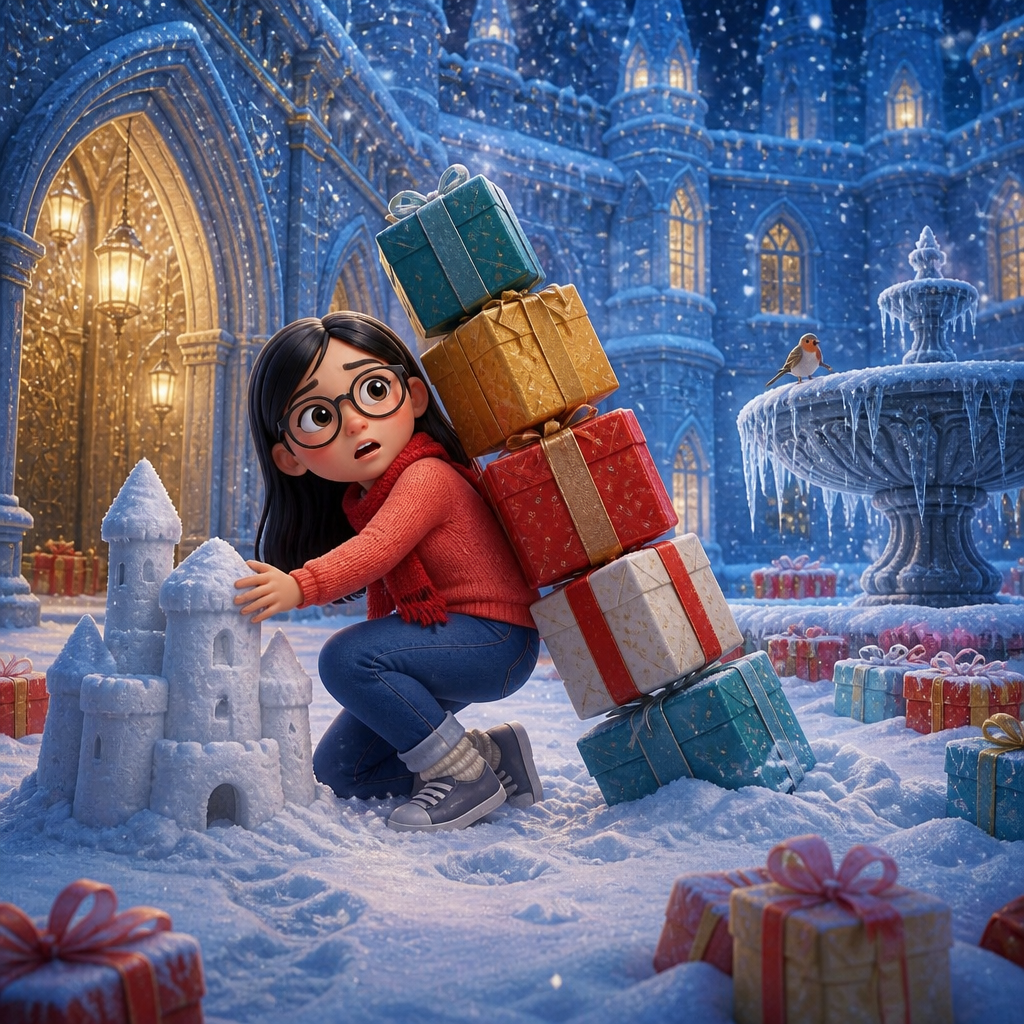
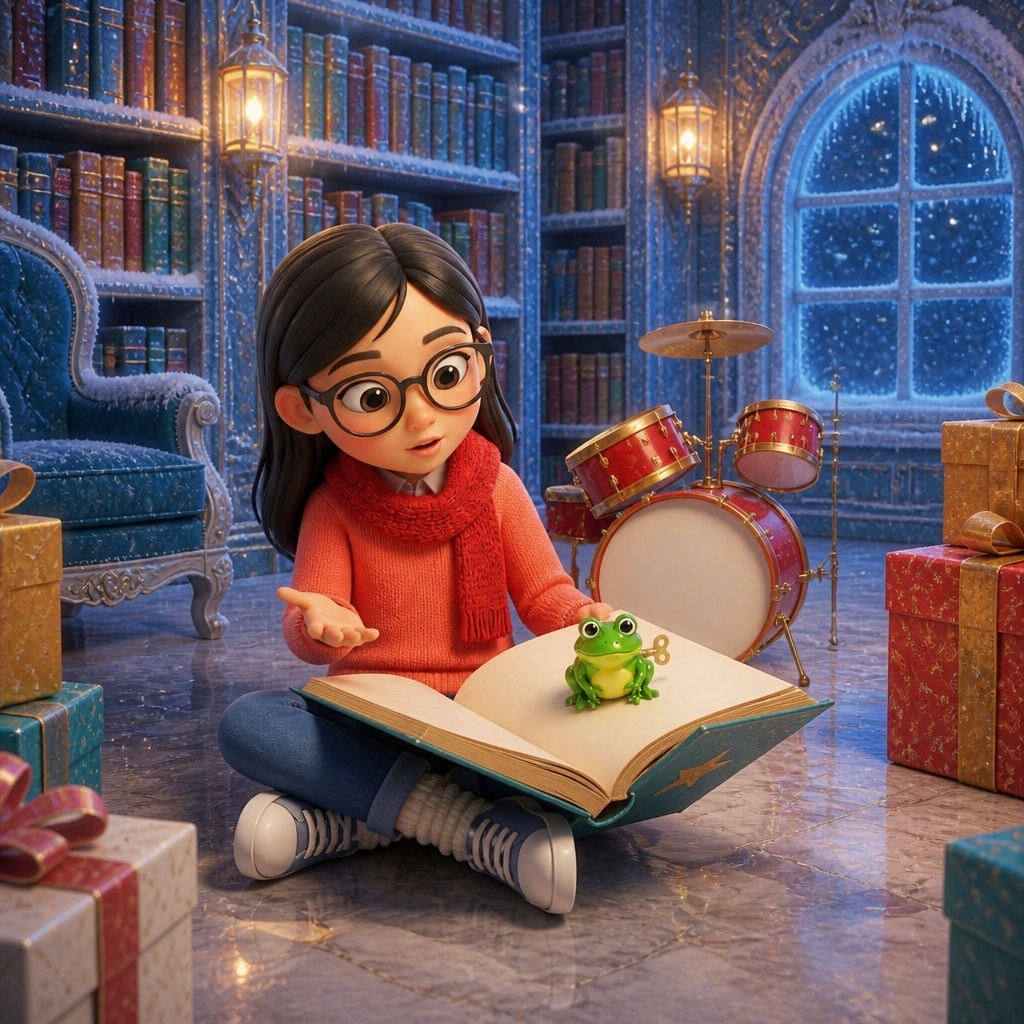
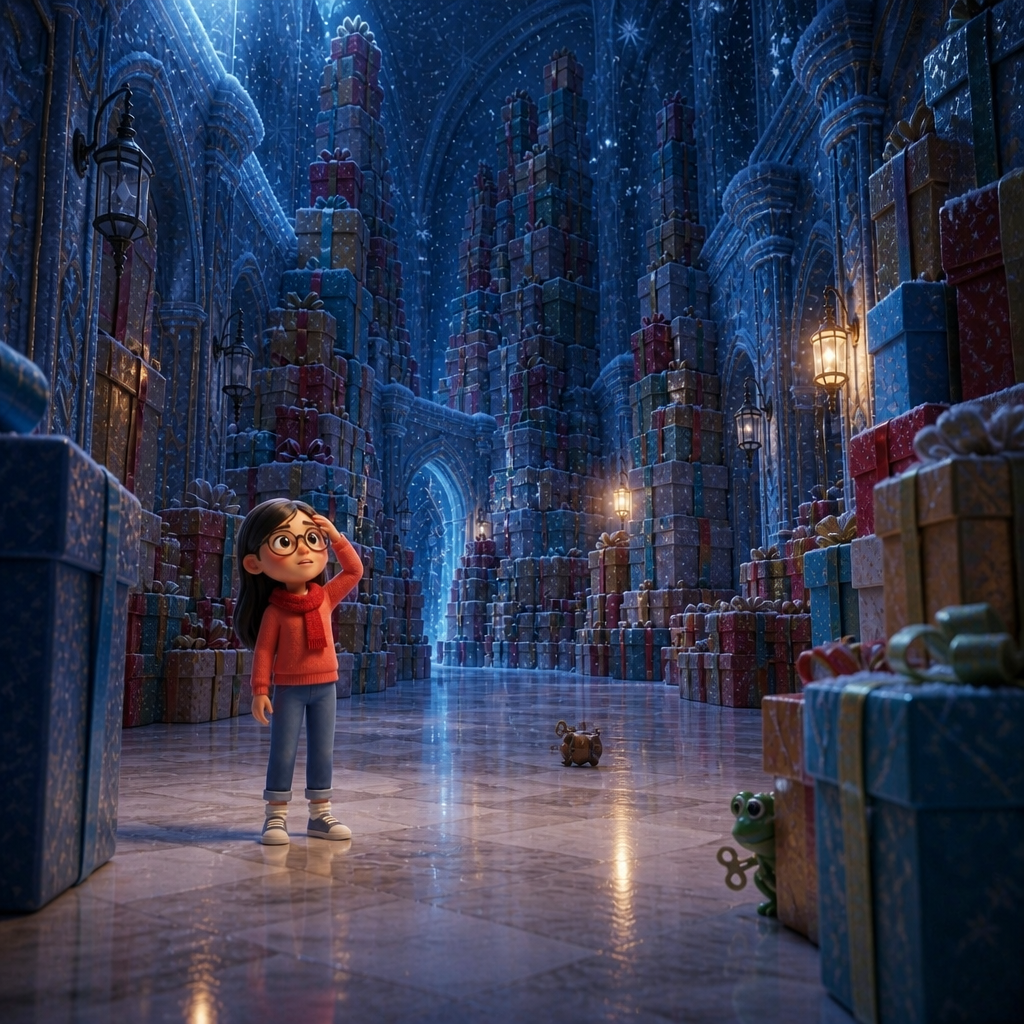
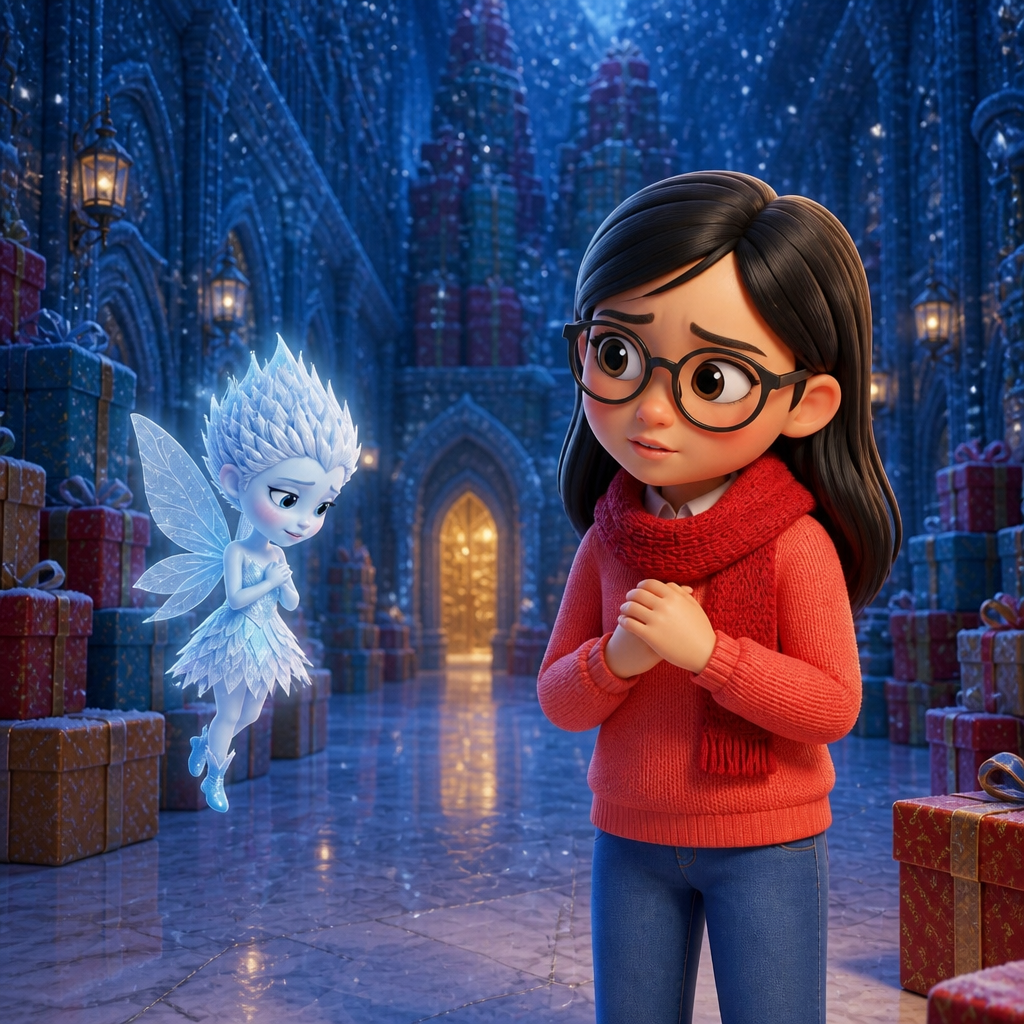
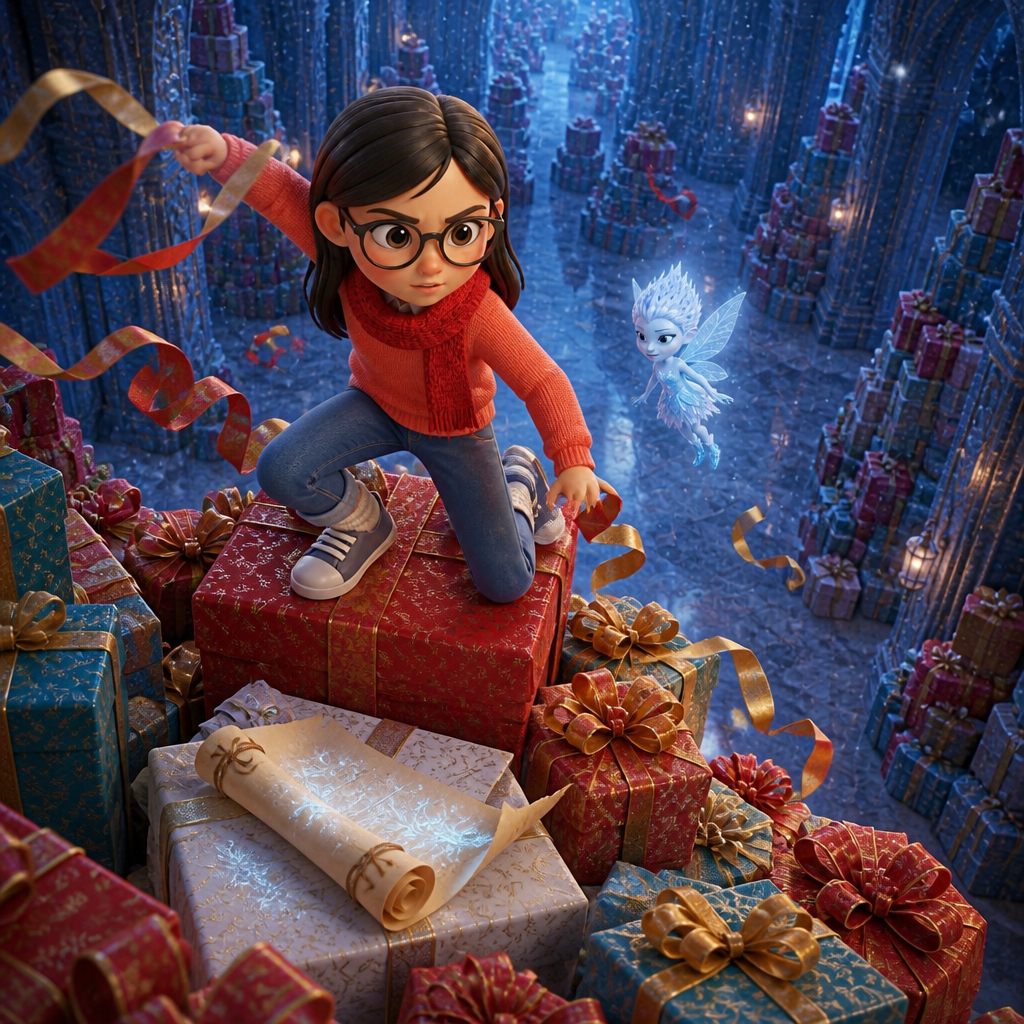
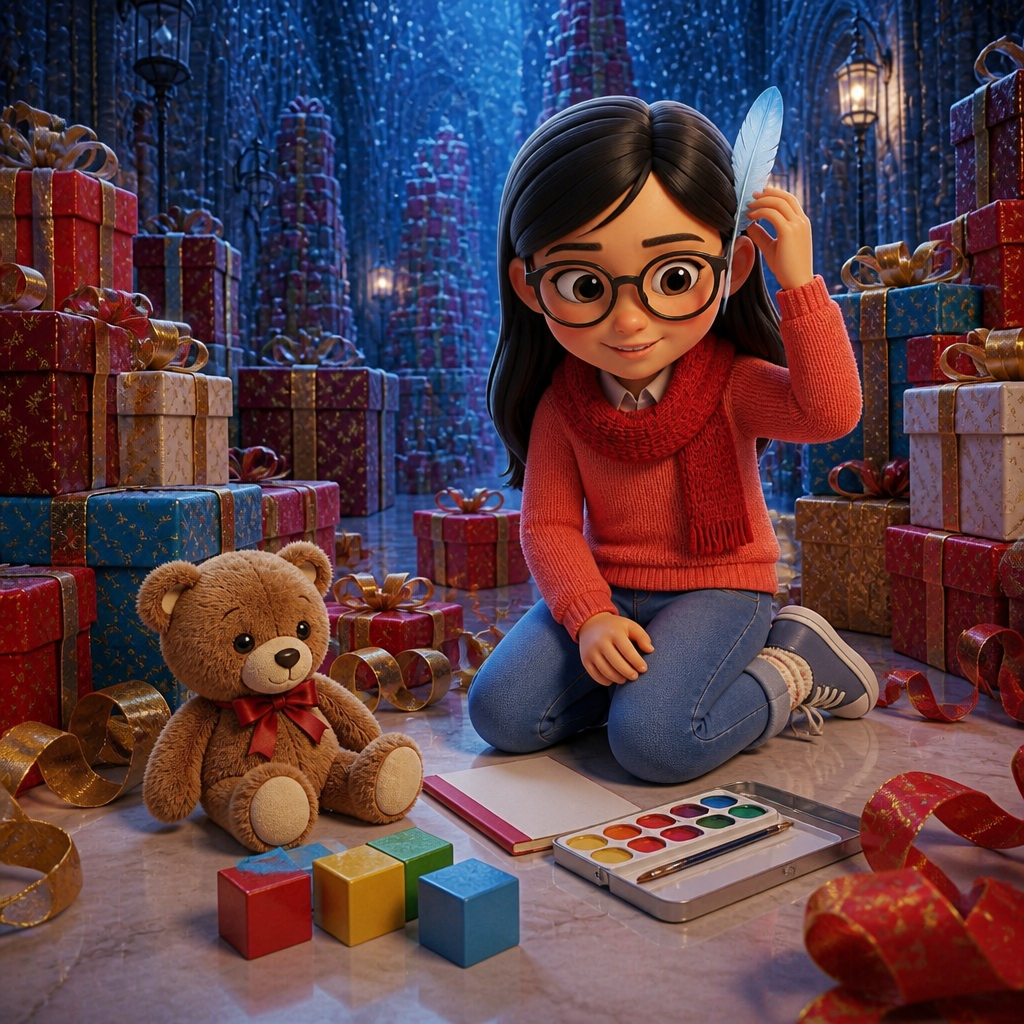
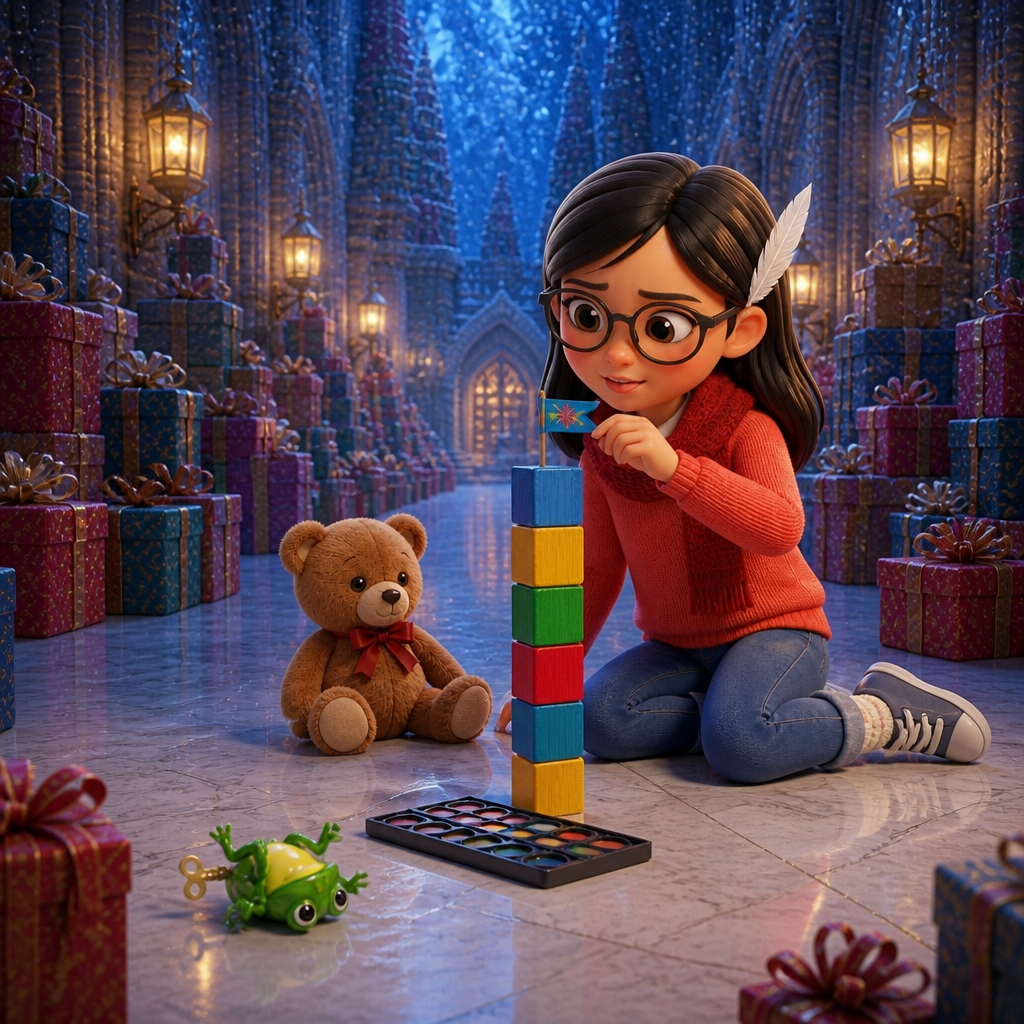
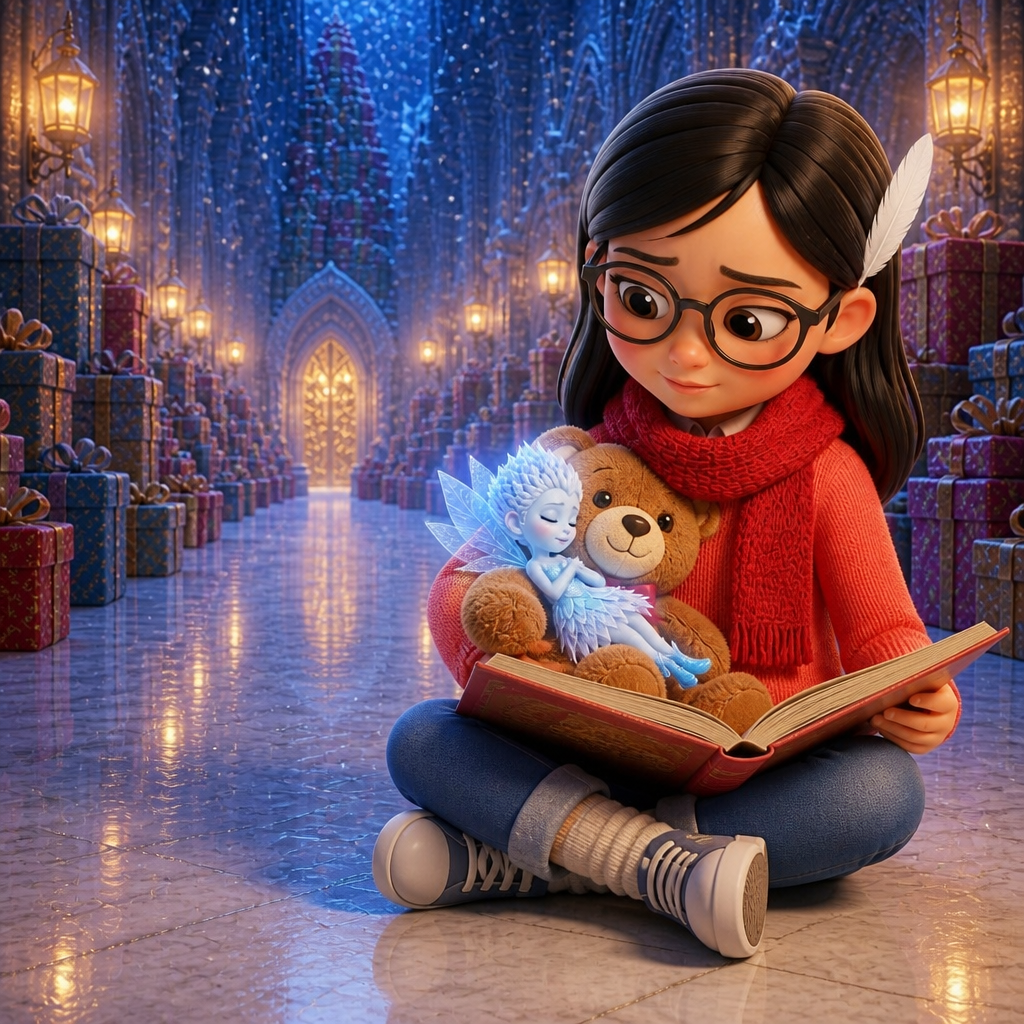
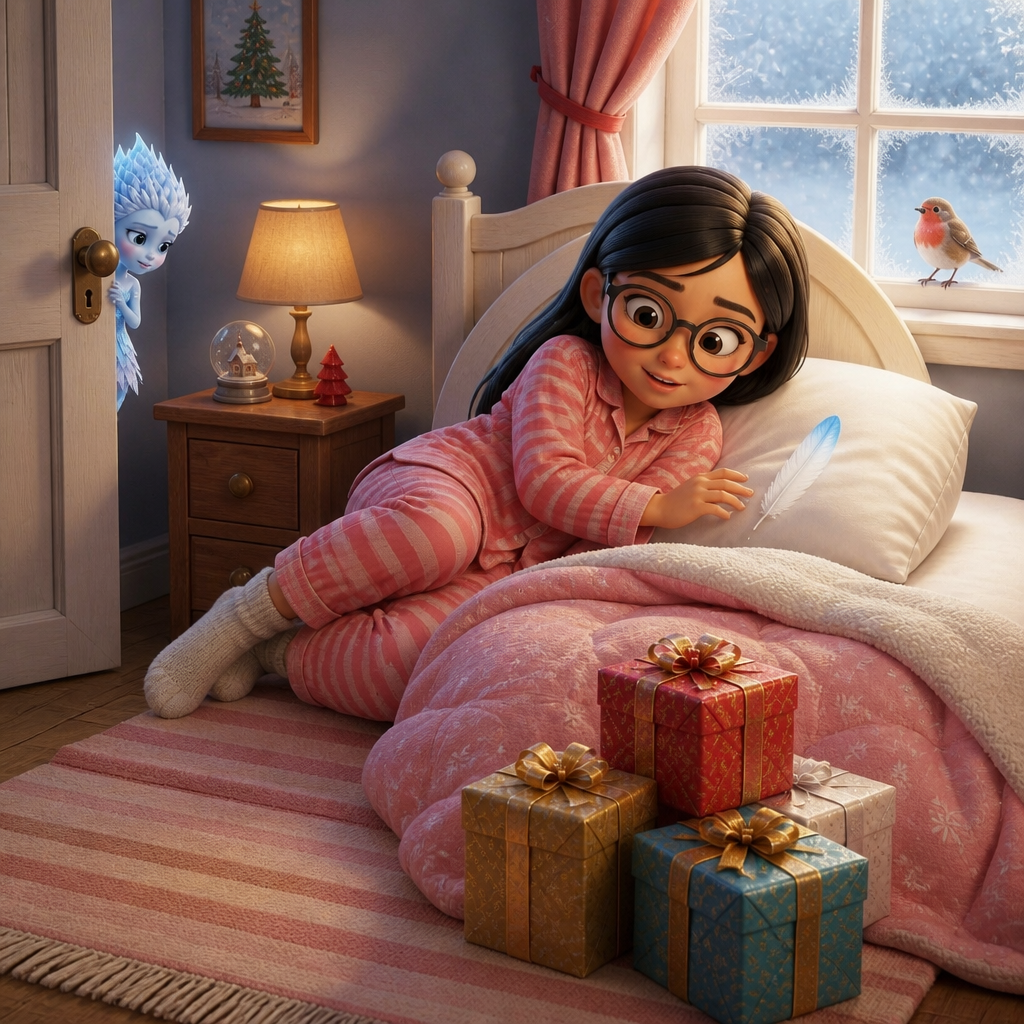
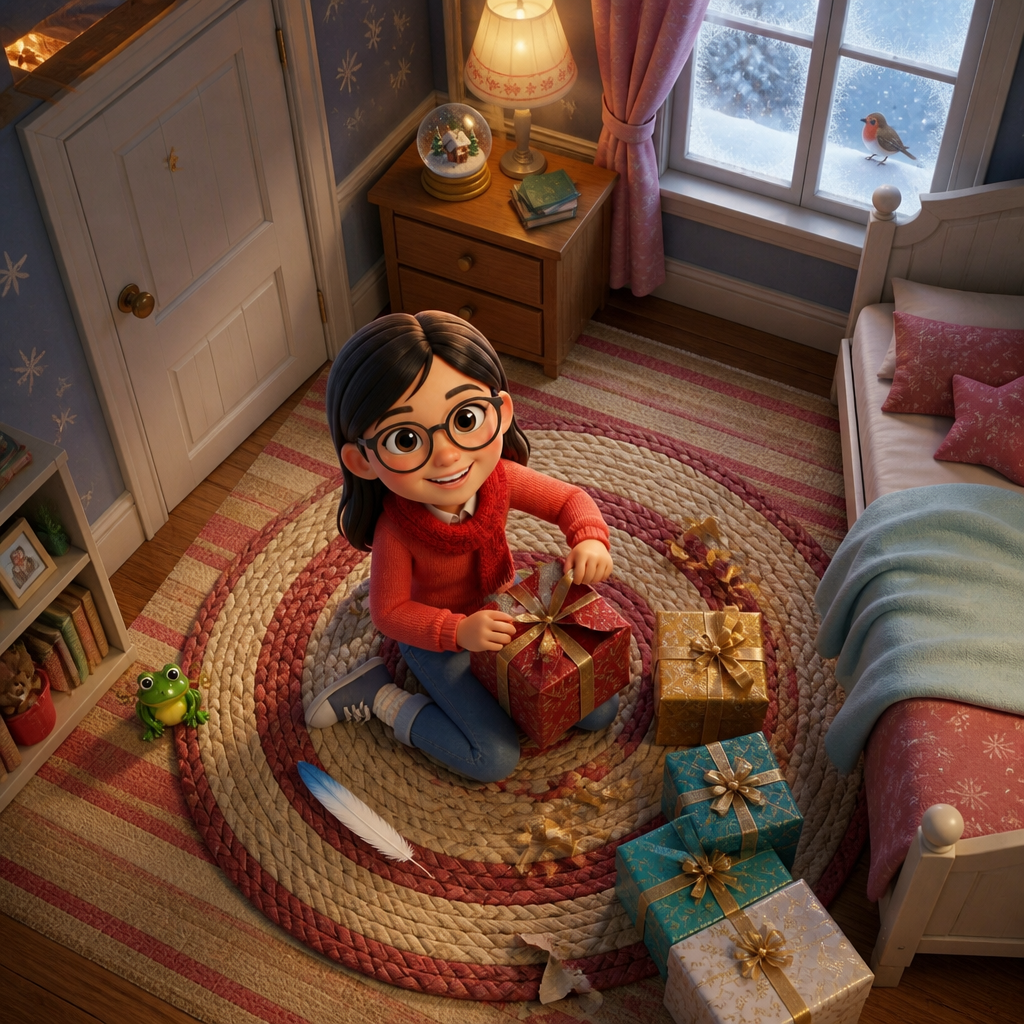
The illustrations in this book were generated with AI.
How this book was made
 Maya, 8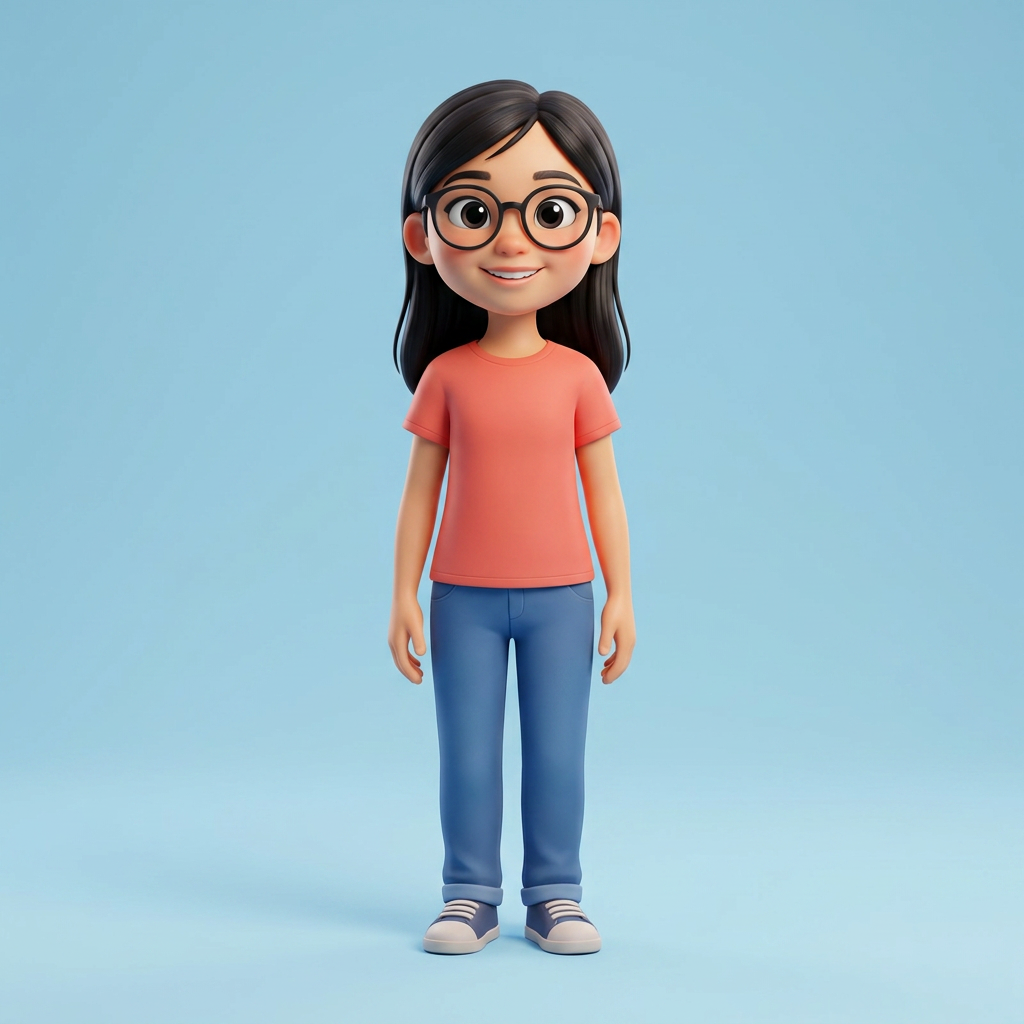
- 1
It starts with one photo. Maya is our fictional cast member; in your book, this is a photo of your child.
- 2
The photo becomes a storybook character, drawn in the 3D Animated art style.
- 3
A story is written for this article's topic, then illustrated page by page with Maya as the hero.
Illustrations created with AI and reviewed by humans.
Make a book starring your childThis article is for general information only and is not medical advice. Always consult your pediatrician about your child's development.
We only send new articles. Unsubscribe anytime.