Starting Kindergarten Without Tears: What Actually Helps
Published September 3, 2026 · Updated September 3, 2026
The first kindergarten morning is famous for two things: tiny backpacks and big feelings. If your child clings at the door, nothing is wrong with them, and nothing is wrong with your parenting. Separation protest is a normal, healthy sign of attachment, and it responds well to a few boring, repeatable habits.
Why does my child cry at kindergarten drop-off?
Because leaving a parent is a genuinely hard developmental task, not misbehavior. Young children protest separations precisely because their attachment system works: a caregiver leaving triggers real alarm. The CDC's developmental milestone checklists list managing new social settings among the skills still forming at ages 4 and 5, so wobbly drop-offs are age-appropriate.
What helps is treating the tears as a signal to make mornings more predictable, not as a problem to argue with. Children read uncertainty in us; a parent who hesitates at the door teaches the door to be scary.
What is a goodbye ritual, and why does it work?
A goodbye ritual is a short, identical sequence you repeat at every drop-off: two hugs, one kiss, a wave at the window, gone. The American Academy of Pediatrics recommends keeping the goodbye short and sweet, because lingering stretches the transition and the distress along with it. Predictability is the whole mechanism.
Three details make rituals stick. Keep it identical every day, even on the hard days. Name the pickup honestly ("after nap, I come back") and keep that promise, because the ritual is really a trust contract. And the AAP suggests a small transitional object, a special toy or blanket, can carry a bit of home through the day.
How can we practice the separation before the first day?
Rehearse in small doses. The AAP suggests scheduling playdates and short stays with trusted family or friends in the weeks before school starts, so your child collects proof that you leave and reliably come back. Each successful practice separation shrinks the first morning from a cliff into a familiar step.
Add school itself to the rehearsal where you can: walk past the building, play in the yard on a weekend, meet the teacher at an open day, and talk through the morning routine in order until your child can narrate it back to you.
Can a story help my child rehearse the first day?
Yes: stories are how young children run simulations. Research on personalized storybooks shows that children identify especially strongly with a hero who is literally themselves, which makes a custom book a natural rehearsal space. Your child watches themselves hang up the backpack, wave goodbye, and be okay.
Read it during calm moments, not on the anxious morning itself, and let your child say the goodbye-ritual page out loud. The story below shows what that can look like with your own child as the hero.
When should I talk to a pediatrician?
Most drop-off distress fades within a few weeks of a steady routine. Talk to your pediatrician if intense distress lasts well past that window, shows up as panic, sleep changes, or physical complaints, or keeps your child from taking part in school at all. You know your child's baseline best.
The boring secret of tear-free mornings is that there is no secret: same words, same hugs, same wave, every single day, until the door stops being scary.
Lena Follows the Sulky Compass
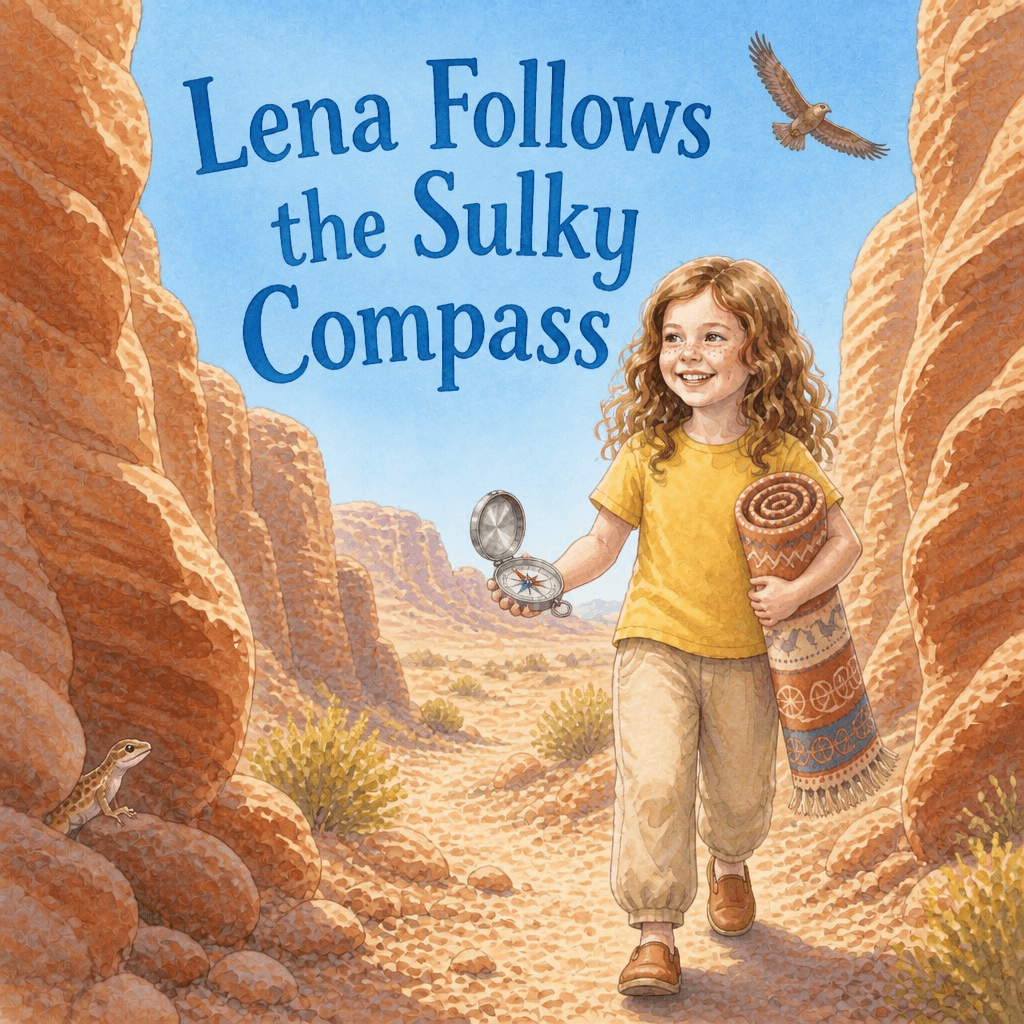

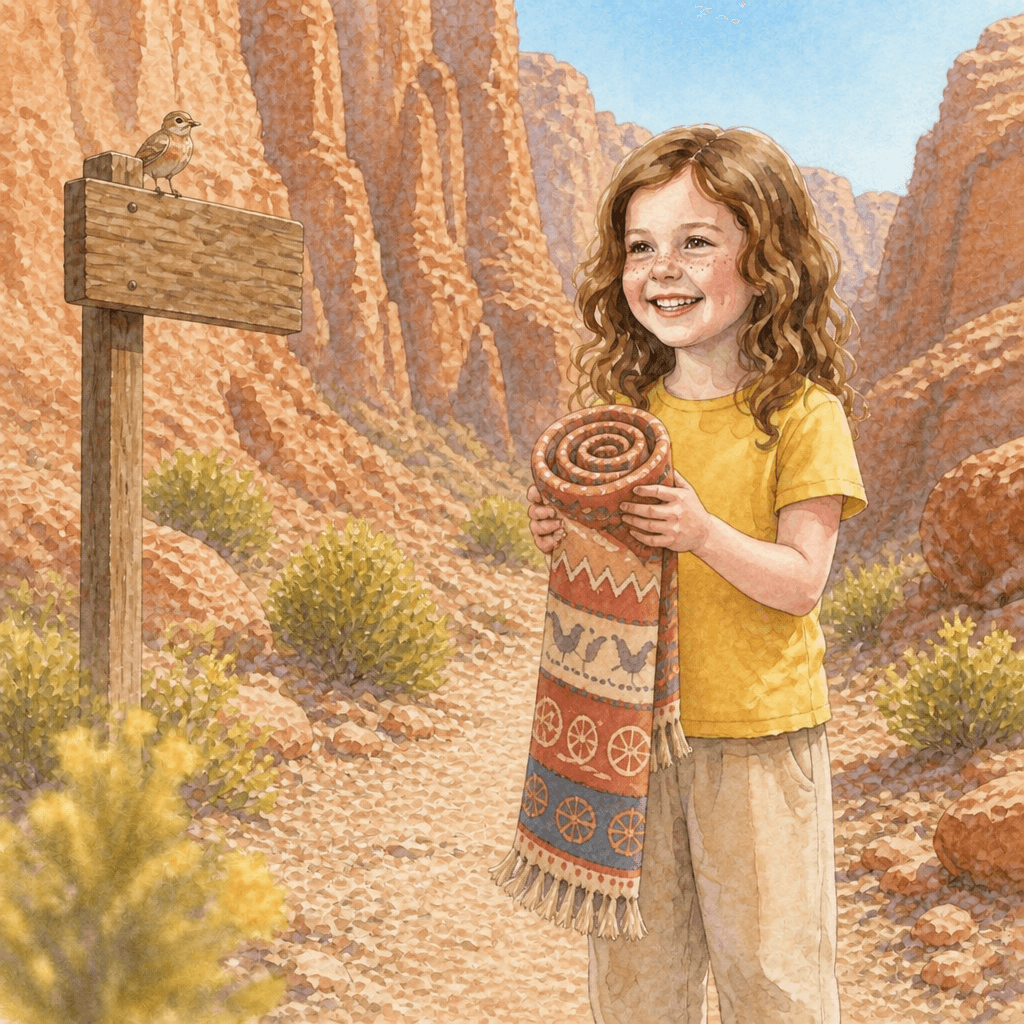
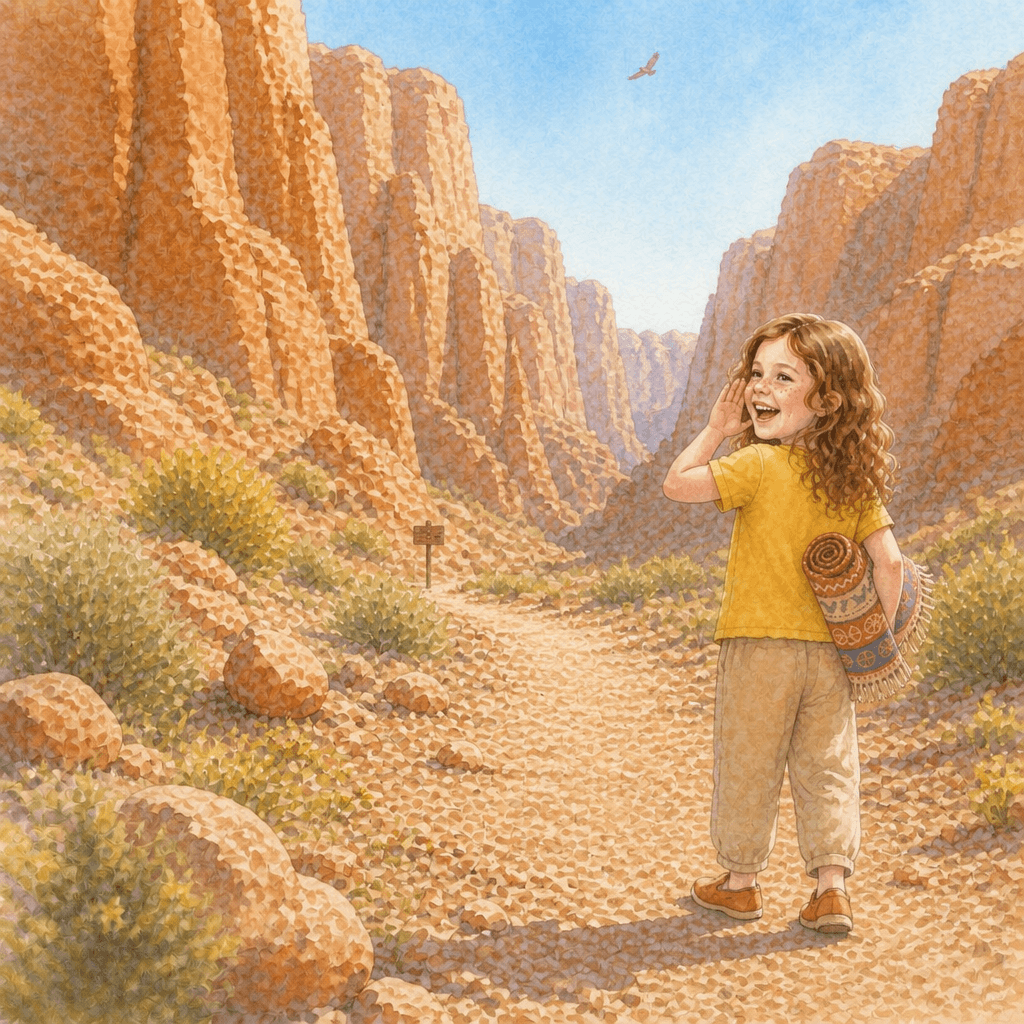
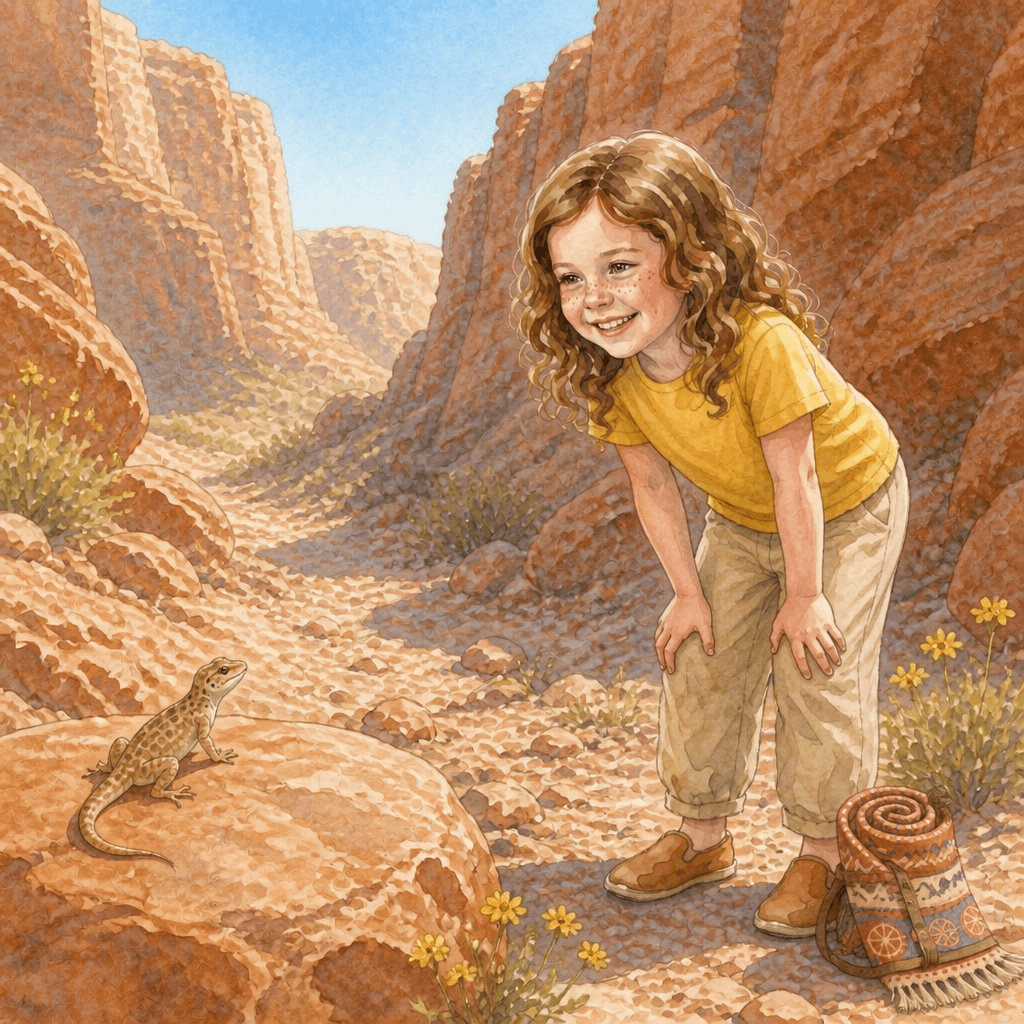
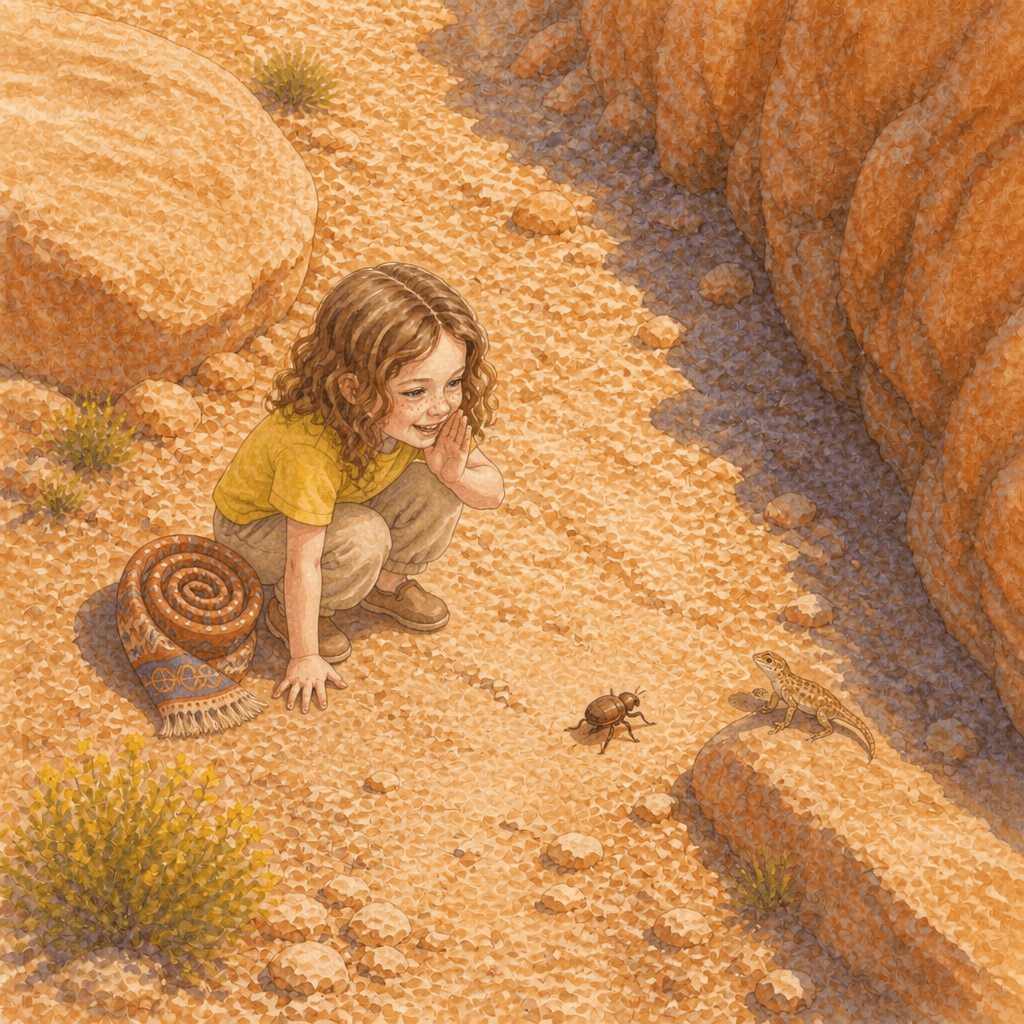
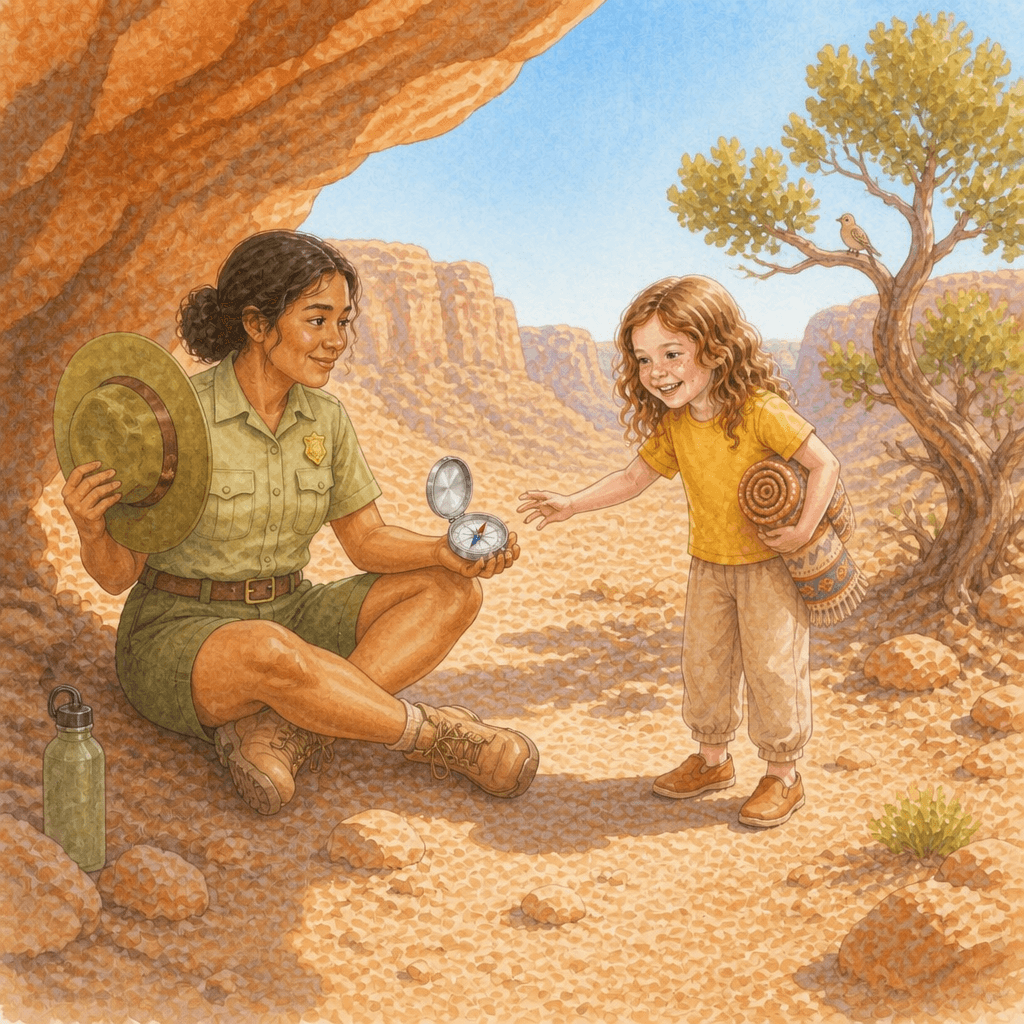
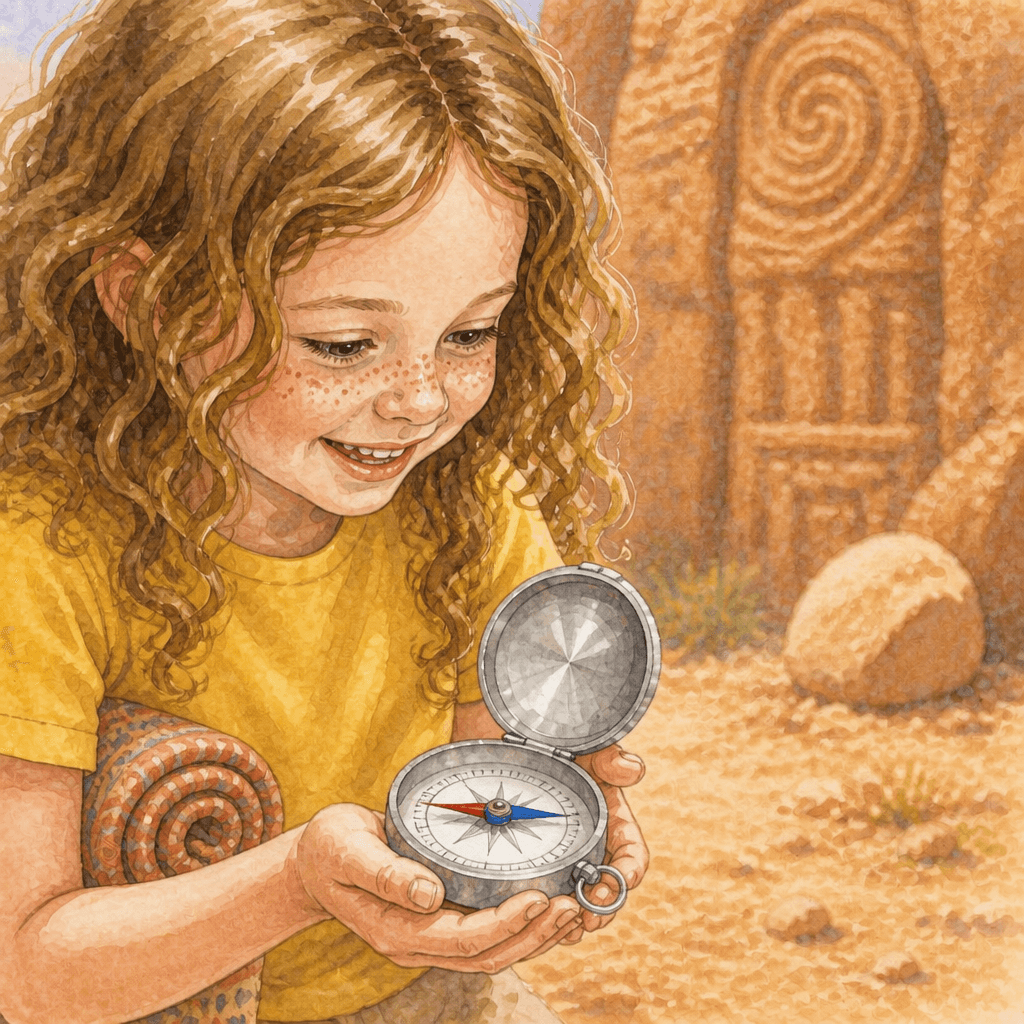
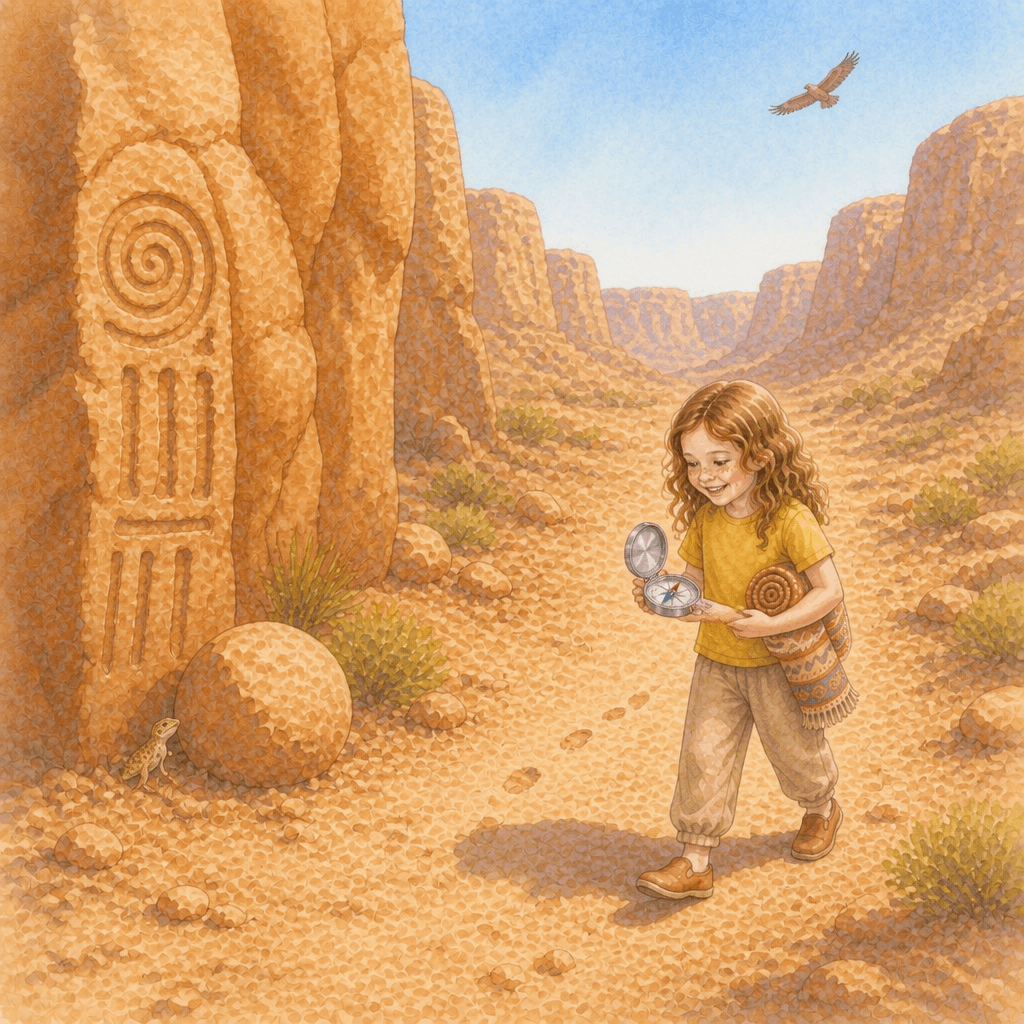
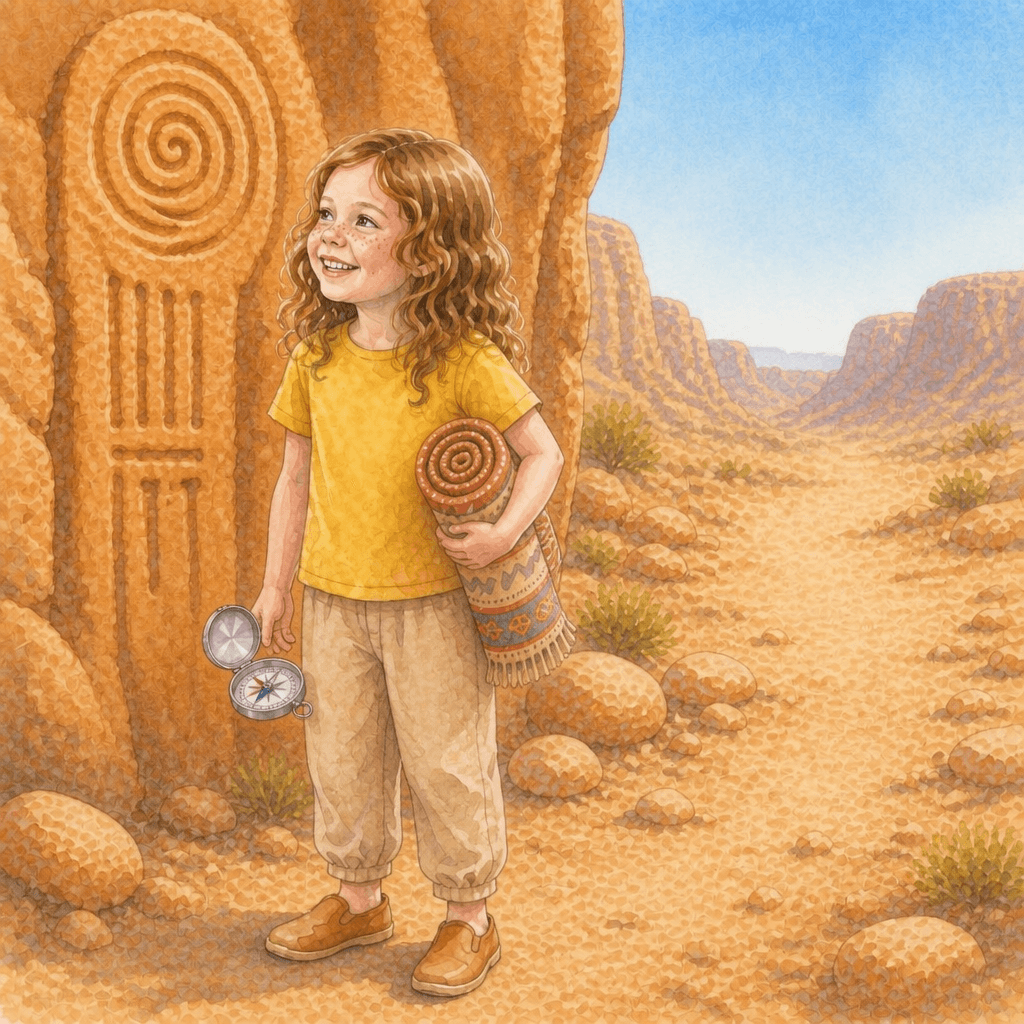
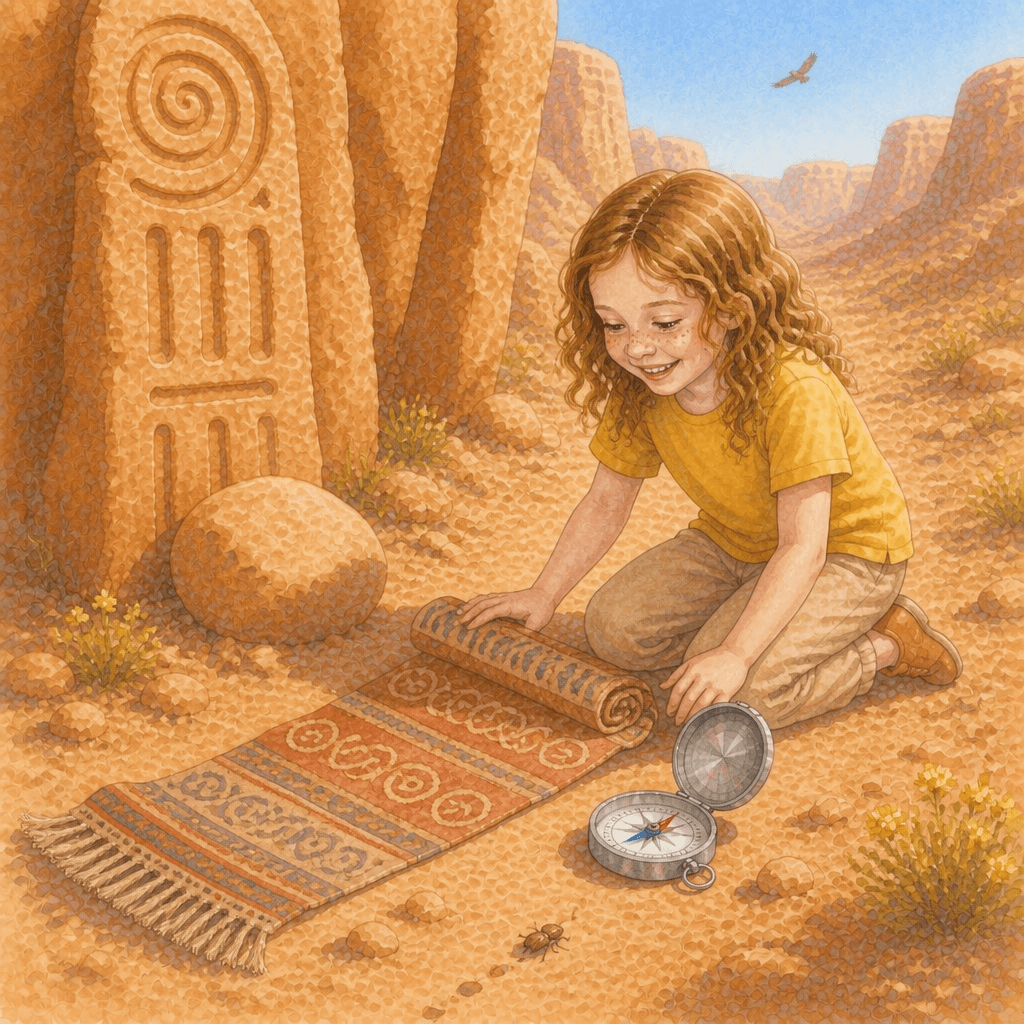
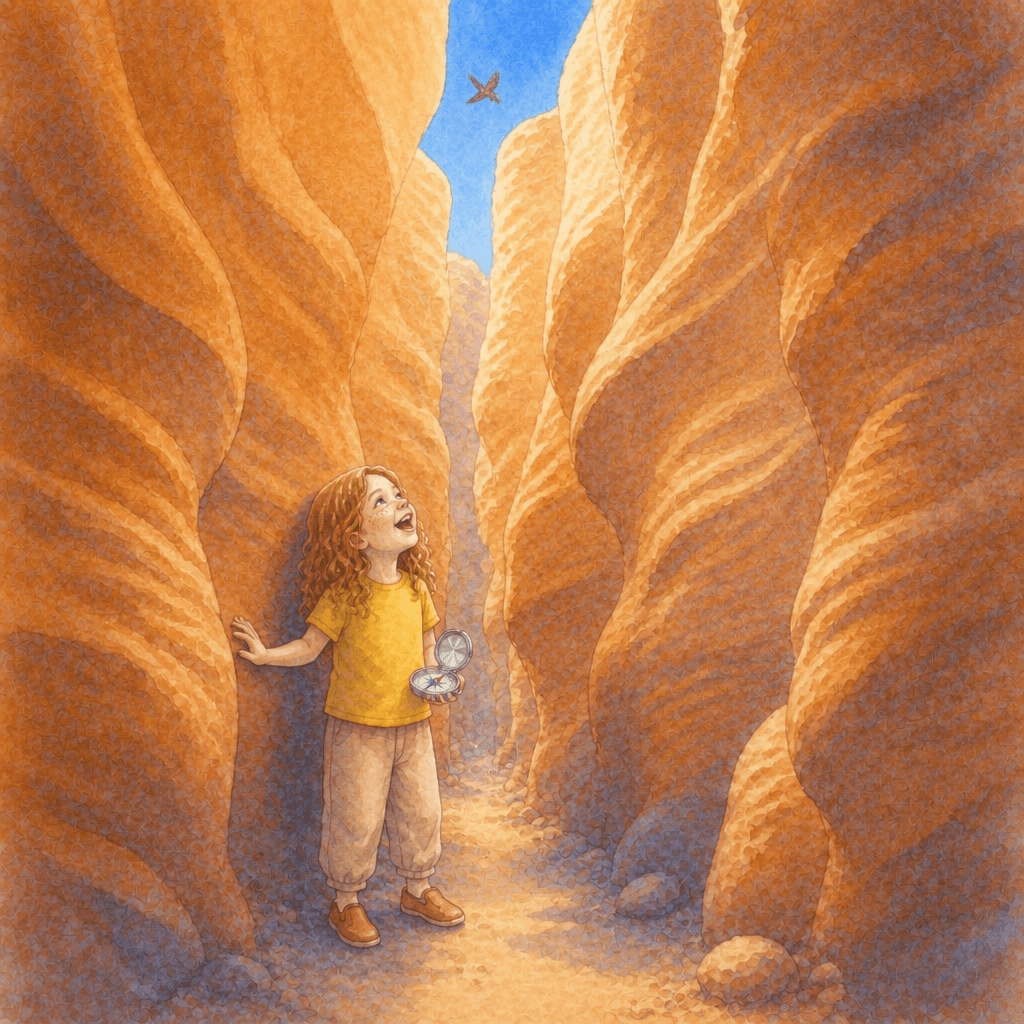
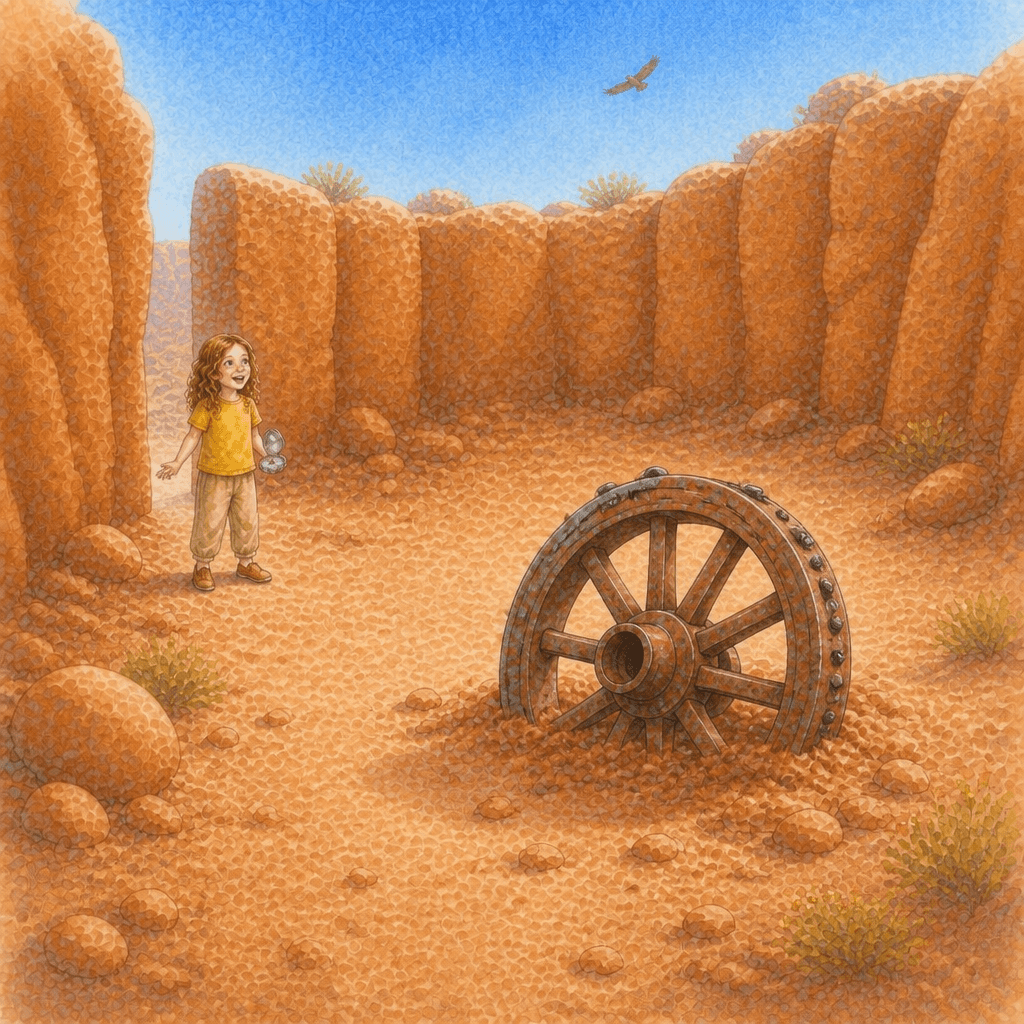
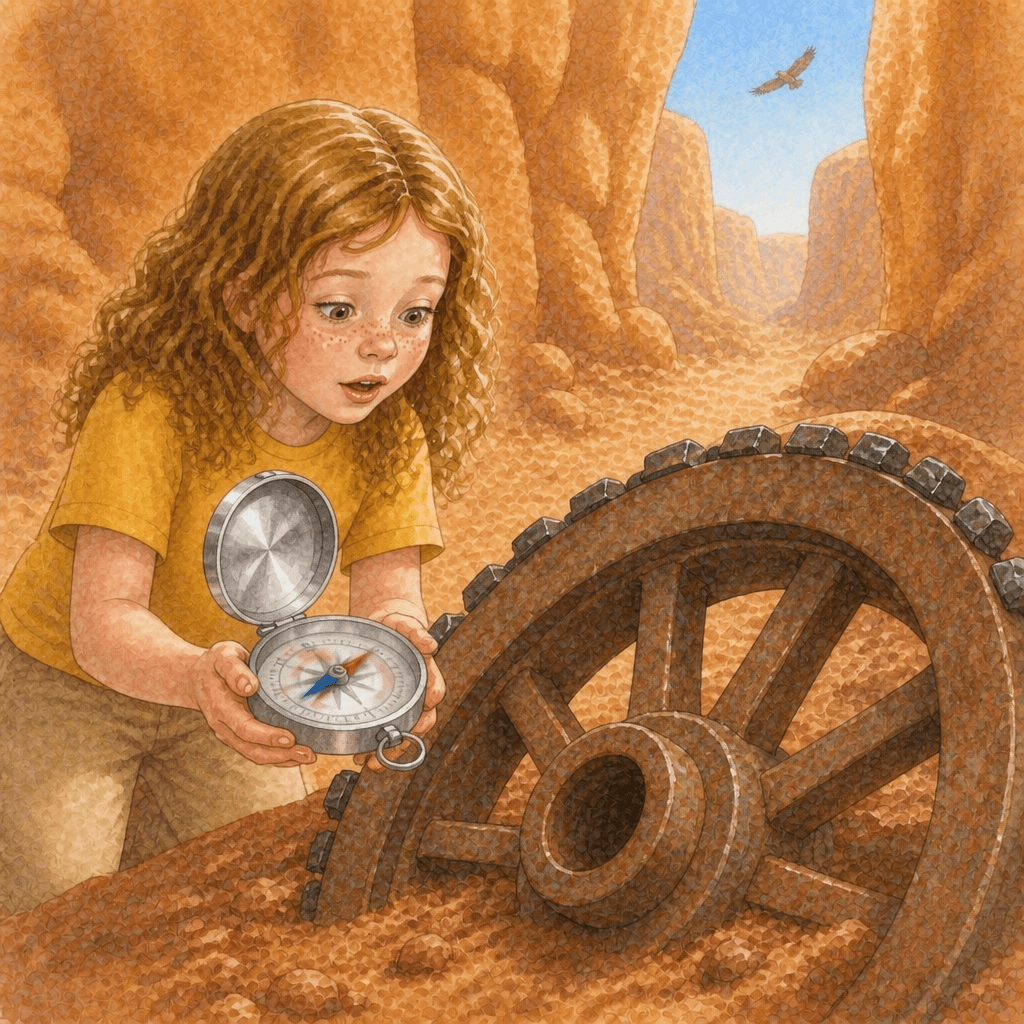
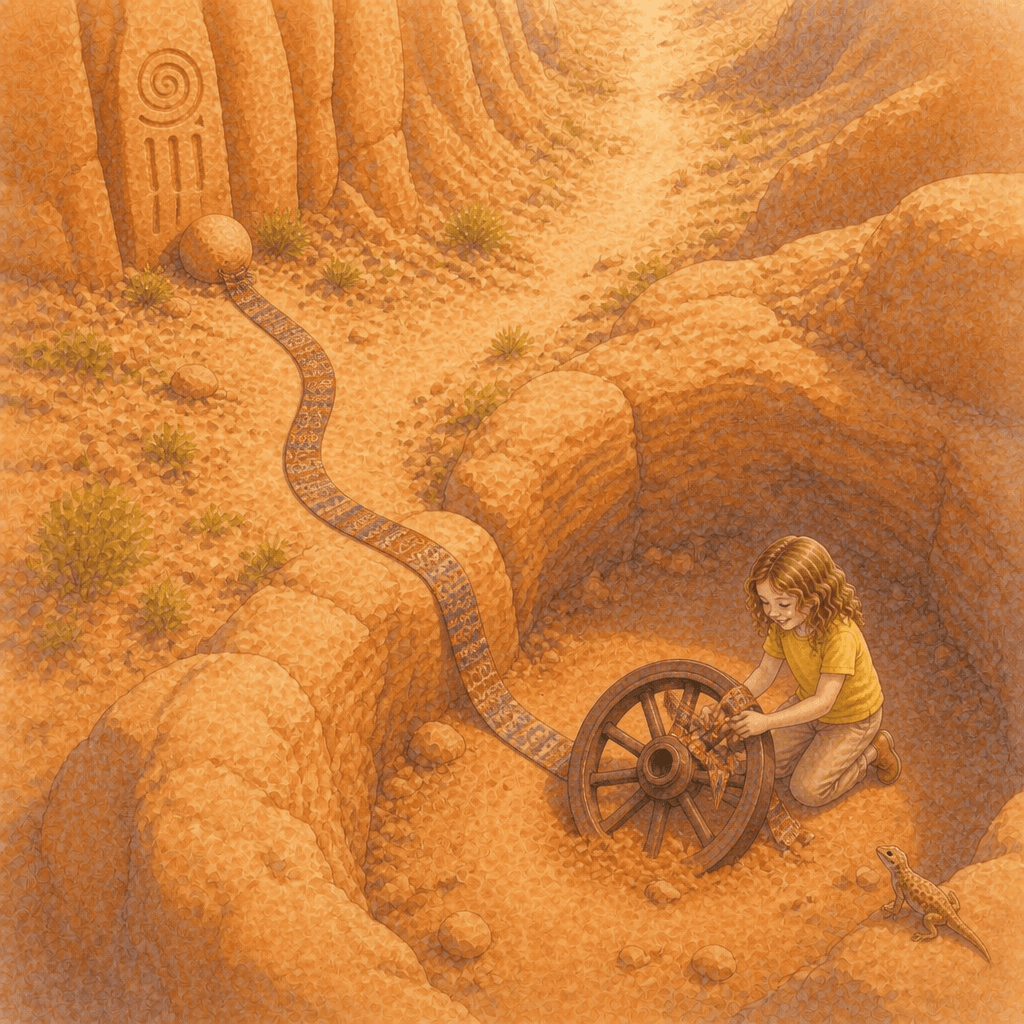
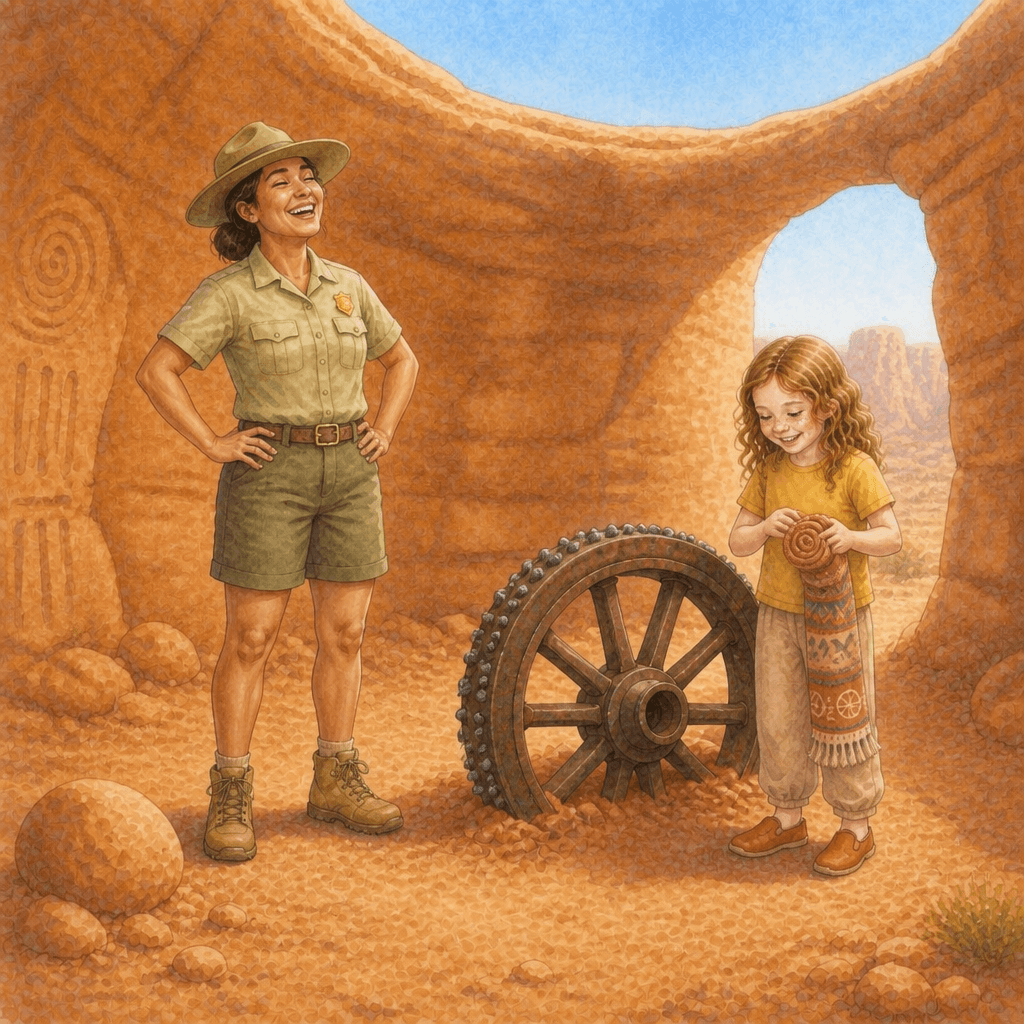
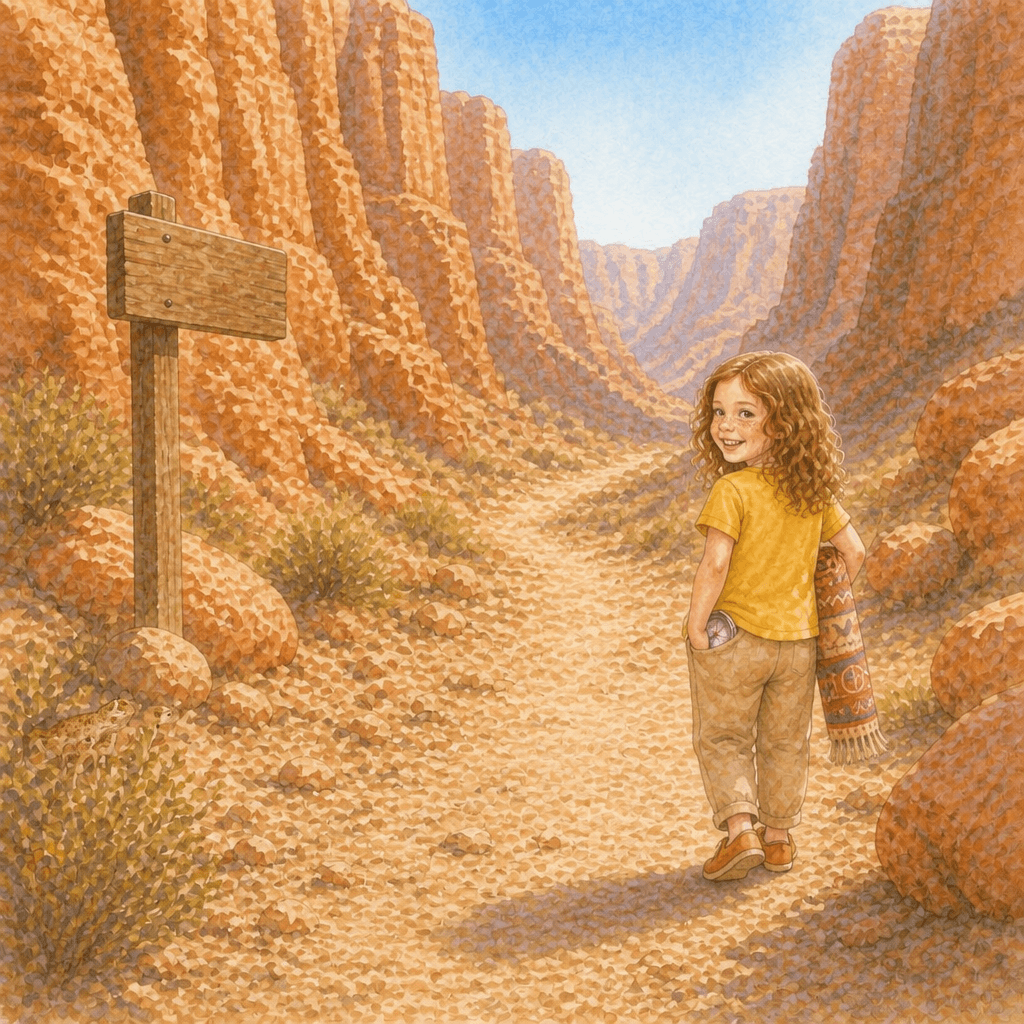
The illustrations in this book were generated with AI.
How this book was made
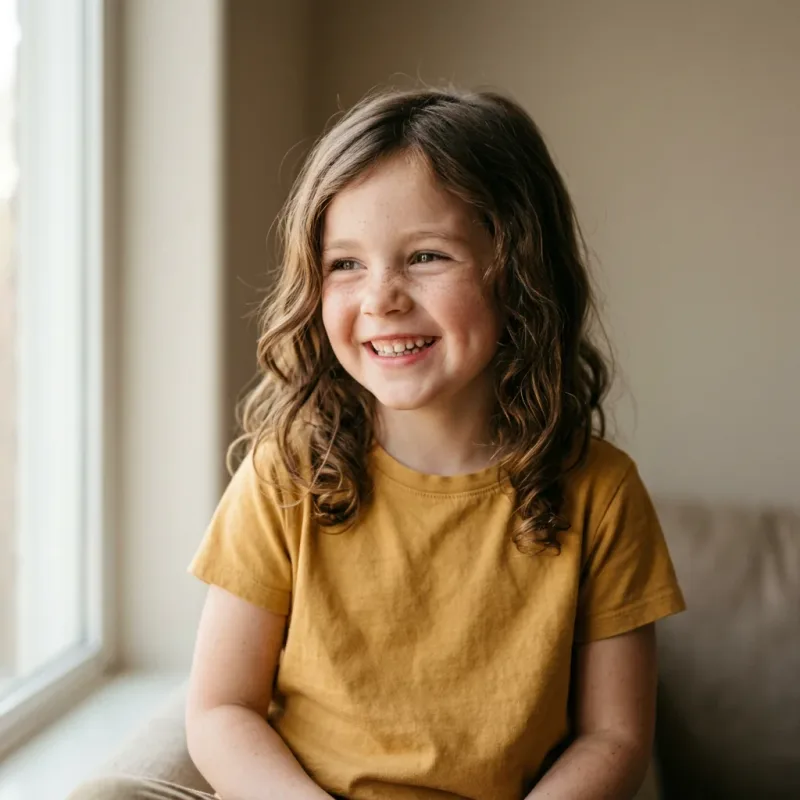 Lena, 6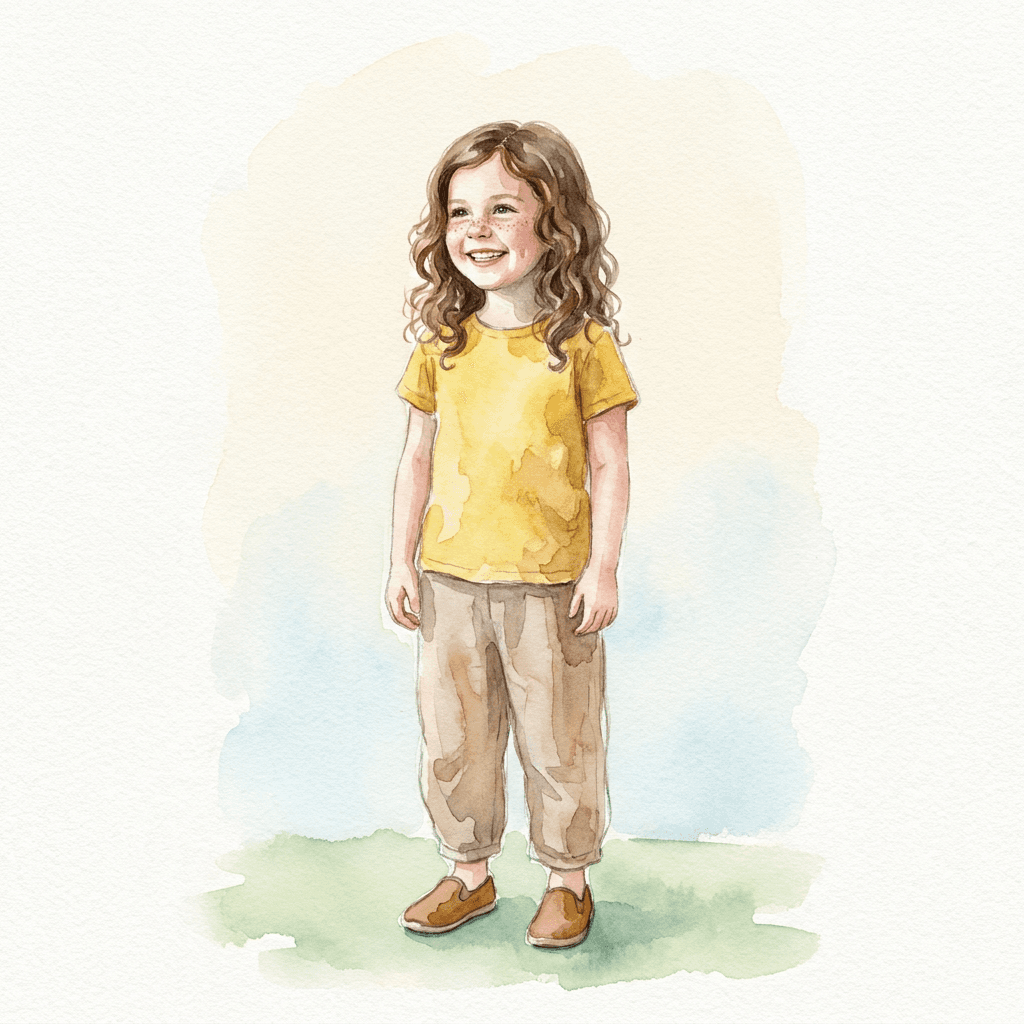
- 1
It starts with one photo. Lena is our fictional cast member; in your book, this is a photo of your child.
- 2
The photo becomes a storybook character, drawn in the Watercolor art style.
- 3
A story is written for this article's topic, then illustrated page by page with Lena as the hero.
Illustrations created with AI and reviewed by humans.
Make a book starring your childThis article is for general information only and is not medical advice. Always consult your pediatrician about your child's development.
We only send new articles. Unsubscribe anytime.